
Burnsville Foundation Repair: Complete Guide for Burnsville Homeowners
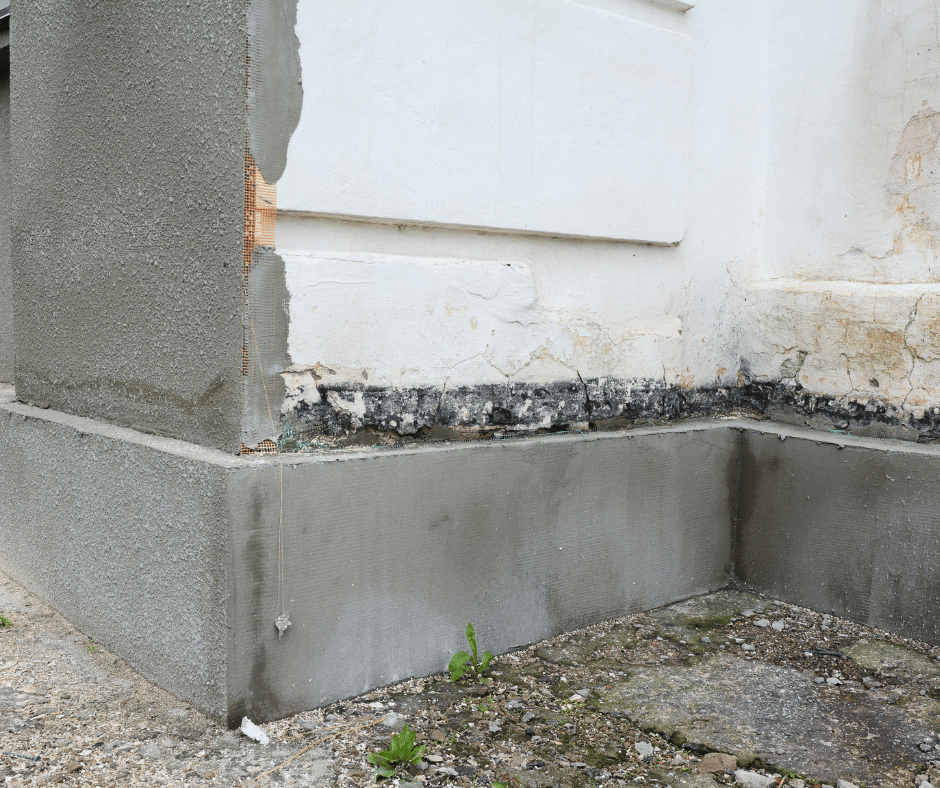
When you're sitting in your Burnsville home and hear that unsettling crack in your basement, or notice water pooling where your basement walls meet the floor, you're not just dealing with a cosmetic issue. You're witnessing the early warning signs of foundation problems that, left unaddressed, can turn into catastrophic structural failures costing tens of thousands of dollars to repair.
Christian Brothers Construction has been based in Burnsville for over 15 years, and we've seen every foundation problem this area can throw at a homeowner. From homes built in the 1960s near the Minnesota River valley to newer construction in neighborhoods like Crystal Lake and Lac Lavon, Burnsville's unique combination of clay soil, fluctuating water tables, and Minnesota's brutal freeze-thaw cycles creates the perfect storm for foundation damage.
This isn't a generic foundation repair guide copied from a national franchise website. This is everything we've learned repairing hundreds of Burnsville foundations, written from our office right here at 15208 County Road 5.
Why Burnsville Homes Face Unique Foundation Challenges
Burnsville homeowners deal with foundation stressors that make this area particularly vulnerable compared to other Twin Cities suburbs.
The Minnesota River Valley Effect
Burnsville's proximity to the Minnesota River creates higher water table conditions in many neighborhoods, particularly those closer to the river valley and in lower-lying areas. When spring snowmelt combines with heavy rains, groundwater levels rise significantly, putting extraordinary pressure on foundation walls. We've responded to emergency calls in neighborhoods near Cliff Road and River Ridge where basements flooded seemingly overnight during spring thaw because the water table rose faster than drainage systems could handle.
This elevated water table doesn't just create flooding risk. It generates constant hydrostatic pressure against your foundation walls throughout the wet season, slowly but relentlessly pushing against the concrete or block walls that form your basement perimeter. Over years and decades, this pressure causes walls to bow inward, cracks to form, and in extreme cases we've witnessed, basement walls to collapse entirely.
Clay Soil: Burnsville's Hidden Foundation Destroyer
Burnsville sits on predominantly clay soil, which behaves like a saturated sponge in spring and a rigid block in winter. Clay soil expands when it absorbs water and contracts when it dries out or freezes. This constant expansion and contraction creates what we call the "clay squeeze" against your foundation walls.
During wet periods, clay soil can expand up to 10% of its original volume. Imagine thousands of pounds of soil pressing against your basement walls with nowhere else to go. That pressure has to release somewhere, and the path of least resistance is into your empty basement where the soil can push walls inward and force water through any available crack or joint.
When clay soil dries out or freezes, it contracts and pulls away from your foundation, creating voids and gaps. Then when moisture returns, it fills those voids and the cycle repeats, each time causing incremental damage that accumulates over the years.
The Burnsville Freeze-Thaw Cycle Reality
Minnesota's freeze-thaw cycle is aggressive, but Burnsville experiences some unique patterns due to its geographic location in the south metro. We see temperature fluctuations that can swing 40-50 degrees within days during late winter and early spring. These rapid temperature changes accelerate foundation damage in several ways.
When water infiltrates small cracks in concrete or mortar joints during mild days, it freezes overnight when temperatures plunge. Water expands approximately 9% when it freezes, creating tremendous internal pressure that widens existing cracks and creates new ones. We've measured foundation cracks that grew from hairline fractures to quarter-inch gaps in a single winter season because of repeated freeze-thaw cycles.
For homes built between the 1960s and 1980s, many foundations were constructed with concrete mixes and construction techniques that simply weren't designed to withstand the punishment we now know Minnesota's climate delivers. These older foundations are reaching the end of their designed lifespan, and we're seeing increasing failure rates in Burnsville's established neighborhoods.
The Real Cost of Ignoring Foundation Problems in Burnsville
One of our recent emergency calls came from a homeowner in the Nicollet Heights neighborhood. They had noticed small cracks in their basement walls two years earlier but assumed they were just cosmetic settling cracks. They heard a loud boom one Saturday afternoon. When they went downstairs, an entire section of their basement wall had collapsed inward, with clay soil and water pouring into their finished basement.
What would have cost $8,000-$12,000 to repair proactively two years earlier turned into a $45,000 emergency reconstruction project. Their homeowner's insurance classified it as gradual damage since the cracks had been visible for years, meaning they were on the hook for the entire cost.
This isn't an isolated case. We see this pattern repeatedly: homeowners notice warning signs, hope they'll stabilize, delay calling for an assessment, and ultimately face exponentially higher repair costs when the problem becomes catastrophic.
Foundation damage never improves on its own. The forces causing the damage continue operating every day, every season, every year. Water keeps flowing toward your foundation. Clay soil keeps expanding and contracting. Freeze-thaw cycles keep widening cracks. The question isn't whether foundation problems will worsen; it's how much damage will accumulate before you address it.
Beyond the direct repair costs, foundation problems that go unaddressed create cascading secondary damage. Water infiltration leads to mold growth, wood rot in floor joists, and ruined belongings in your basement. Foundation settlement causes floors above to slope, doors to stick, and windows to crack. When you eventually sell your home, undisclosed foundation issues can derail sales or force you to accept significantly reduced offers.
Common Foundation Problems We See in Burnsville Homes
Horizontal Cracks in Poured Concrete Foundations
Horizontal cracks running along your basement walls are warning signs of serious inward pressure from soil and water. These cracks typically appear at the midpoint of basement walls where hydrostatic pressure concentrates most intensely. In Burnsville's clay soil conditions, we often see these cracks accompanied by visible bowing or inward deflection of the wall.
A horizontal crack that's actively leaking water during heavy rain or spring thaw indicates the foundation wall has been breached and water is flowing directly through the compromised concrete. This represents both a structural concern and an active water management problem that requires comprehensive repair.
Stair-Step Cracking in Block Foundations
Many Burnsville homes built before 1990 feature concrete block foundations rather than poured concrete. Block foundations are particularly vulnerable to Minnesota's freeze-thaw cycles because the mortar joints between blocks create natural weak points where water infiltration and soil pressure concentrate.
Stair-step cracking follows the mortar joints in a diagonal pattern across your basement wall. This crack pattern indicates differential settlement where one section of your foundation is settling or moving differently than adjacent sections. In Burnsville, we often trace this back to improper compaction of fill soil during original construction or erosion of soil beneath the footing caused by poor drainage.
Block foundations with stair-step cracking require careful evaluation because the individual blocks may be separating from each other, creating stability concerns beyond just water infiltration. We've seen cases where exterior soil pressure pushed individual blocks inward while the surrounding wall remained relatively stable, creating dangerous bulges that required immediate stabilization.
Basement Wall Bowing and Deflection
Basement walls that are visibly bowed inward, even slightly, indicate your foundation is under sustained pressure that has overcome the wall's structural capacity to resist. This is particularly common in Burnsville homes with inadequate exterior drainage where clay soil remains saturated for extended periods.
Wall deflection often starts subtly. You might notice that basement walls seem slightly out of plumb, or that there's a visible curve when you sight down the length of the wall. This incremental movement can accelerate rapidly once it starts, particularly during wet spring months when hydrostatic pressure peaks.
We use laser levels to measure the exact degree of wall deflection because even an inch or two of inward movement at the top of an 8-foot basement wall indicates thousands of pounds of pressure. The longer a bowed wall goes without stabilization, the more likely it is to reach a failure point where the wall can no longer resist the pressure and collapses inward.
Water Infiltration at Floor-Wall Joints
Water appearing where your basement floor meets the walls is one of the most common foundation-related problems we address in Burnsville. This water infiltration pattern indicates that groundwater is accumulating against your foundation walls and finding the path of least resistance through the joint where the floor slab meets the wall.
This problem intensifies during spring thaw when melting snow saturates the soil around your foundation faster than it can drain away naturally. Homes in lower-lying areas of Burnsville or those near the Minnesota River valley experience this problem more severely because the regional water table rises during wet periods, bringing groundwater up to foundation level.
The water you see in your basement is a symptom. The underlying problem is inadequate water management around your foundation. Simply sealing the floor-wall joint or applying waterproofing coatings to your basement walls might temporarily hide the water, but it doesn't address the root cause. The water pressure continues building, often finding new paths into your basement or causing other foundation damage.
Foundation Settlement and Sinking
Settlement occurs when the soil beneath your foundation compresses or erodes, allowing the foundation to sink unevenly. In Burnsville, settlement problems often trace back to improperly compacted fill soil during original construction or erosion caused by water flowing beneath your foundation.
The visible signs of settlement appear throughout your home. Doors and windows that suddenly stick or won't close properly indicate the frame has shifted out of square. Cracks appear in drywall, particularly above door frames and at inside corners. Floors develop noticeable slopes that make furniture wobble or cause objects to roll.
Settlement is particularly dangerous because it's progressive. Once settlement starts, the weight of your home concentrates on the sunken area, accelerating the problem. We've measured settlement that started at half an inch and progressed to three inches within 18 months because the initial settlement created drainage issues that caused further soil erosion beneath the foundation.
Christian Brothers' Comprehensive Foundation Repair Process for Burnsville Homes
We don't just patch cracks or install a single solution and call it done. Our approach to foundation repair starts with understanding the complete picture of what's causing your foundation problems and developing a comprehensive strategy that addresses root causes rather than just symptoms.
Step 1: Comprehensive Site Assessment
When you call Christian Brothers for a foundation consultation, we start by understanding your home's entire water management ecosystem. We examine your gutters and downspouts to ensure they're directing water away from your foundation rather than concentrating it near your walls. We evaluate the grading around your home's perimeter to identify areas where poor slope is directing surface water toward your foundation rather than away from it.
We assess your soil type and condition. In Burnsville, we expect to find clay soil, but the specific clay composition and saturation level affects which repair approaches will work best. We look for signs of ongoing water accumulation like persistently soft or muddy soil near your foundation, which indicates active drainage problems.
Inside your basement, we measure crack patterns, wall deflection, and water infiltration points. We use laser levels to determine precise measurements of any wall bowing or settlement. We document the current condition thoroughly because this baseline allows us to track whether problems are actively progressing or have stabilized.
Step 2: Root Cause Identification
After completing our assessment, we work with you to identify the root causes of your foundation problems. This is where Christian Brothers differs from many competitors who jump straight to selling a single solution.
Is your foundation problem primarily caused by hydrostatic pressure from poor drainage? Then waterproofing alone won't solve it; we need to address water management first. Are your walls bowing because of expansive clay soil pressure? Then we need to consider whether soil replacement or drainage improvements should accompany any wall stabilization work.
Are you experiencing foundation settlement? We need to determine whether it's caused by soil erosion from water intrusion, inadequate original compaction, or changes in soil moisture content. Each root cause requires different solutions, and identifying the actual problem determines what repairs will provide lasting results versus temporary fixes.
Step 3: Customized Solution Development
Based on our assessment and root cause identification, we develop a customized repair strategy specific to your home and your budget. We present options ranging from immediate critical repairs that stabilize dangerous conditions to comprehensive solutions that address all contributing factors and prevent future problems.
For many Burnsville homes dealing with foundation problems, the most effective solution involves multiple components working together. We might recommend exterior drainage improvements to reduce hydrostatic pressure, interior drain tile installation to manage water that reaches your foundation, and wall stabilization systems to reinforce walls that have already experienced bowing or cracking.
We explain each component's purpose, how it addresses your specific problems, and what results you can expect. We provide transparent pricing for different solution packages so you can make informed decisions about which approach fits your circumstances.
Step 4: Expert Installation with Quality Materials
When we begin foundation repair work, our crews arrive with the experience and equipment to complete the job correctly. For drain tile installation, we dig precisely to maintain proper pitch for gravity drainage, use high-quality drainage rock that won't clog over time, and wrap pipes in mesh sock to prevent soil infiltration.
For wall stabilization, we use carbon fiber reinforcement systems or steel beam installations depending on the severity of wall bowing and the ongoing pressure your foundation faces. These systems are engineered to halt wall movement and, in some cases, can gradually return walls toward their original position over time.
For foundation crack repair, we use injection techniques with polyurethane or epoxy materials engineered specifically for Minnesota's climate. These materials remain flexible enough to accommodate minor seasonal movement while creating waterproof seals that prevent water infiltration.
For exterior waterproofing projects, we excavate to footing level, repair any foundation damage, apply waterproofing membrane, install drainage components, and backfill with proper material. This exterior work is intensive but provides the most comprehensive long-term protection for your foundation.
Step 5: Water Management Integration
Foundation repair is incomplete without addressing water management. We ensure your property is set up to direct water away from your foundation through multiple layers of protection.
Gutters must be clean, properly pitched, and discharge through downspouts that extend at least 6-8 feet from your foundation. We often recommend gutter guard systems for Burnsville homes surrounded by mature trees because clogged gutters dump massive amounts of water directly against your foundation.
Grading around your foundation should slope away at a rate of at least 1 inch per foot for the first 6-10 feet. We regrade problem areas and often add soil to create proper slope where settlement or poor original grading has created low spots that collect water.
For homes where surface water management isn't enough, we install exterior drain tile systems that intercept groundwater before it reaches your foundation walls. These systems dramatically reduce hydrostatic pressure and are essential for homes in high water table areas or those with persistent basement water problems.
Foundation Repair Methods We Use in Burnsville
Interior Drain Tile Systems
Interior drain tile installation involves removing a section of your basement floor perimeter, installing perforated pipe in a gravel bed below the floor slab, and directing collected water to a sump pump system. This approach manages hydrostatic pressure by providing water an easy path into your controlled drainage system rather than through cracks in your foundation walls.
Interior drain tile works particularly well for Burnsville homes where exterior excavation isn't practical due to landscaping, decks, or other obstacles. The installation is less disruptive than exterior waterproofing and typically costs 40-60% less while providing excellent water management for most foundation water problems.
We install high-capacity sump pumps with battery backup systems because losing power during severe weather when your sump pump is most needed creates exactly the situation you're trying to prevent. The battery backup ensures water continues getting pumped out even during power outages.
Exterior Drain Tile and Waterproofing
Exterior drain tile installation requires excavating around your foundation to footing level, but it provides the most comprehensive foundation protection available. We install perforated drain pipe at footing level surrounded by drainage rock, which intercepts groundwater before it ever reaches your foundation walls.
We apply waterproofing membrane to the foundation walls, repair any cracks or damage we uncover, and ensure the system properly drains to daylight or connects to storm sewer. This exterior approach is particularly effective for Burnsville homes with high water tables or those built in areas where seasonal groundwater accumulation is severe.
The cost is higher than interior solutions because of the excavation work required, but for homes with persistent water problems or foundation walls showing signs of water damage, the exterior approach provides superior long-term protection.
Wall Stabilization Systems
For basement walls showing signs of bowing or horizontal cracking, we install wall stabilization systems designed to halt further movement and restore structural integrity. Carbon fiber reinforcement strips are ideal for walls with early-stage bowing (less than 2 inches of deflection) and provide tremendous tensile strength to prevent further inward movement.
For more severely bowed walls, we install steel I-beam systems anchored to your basement floor and floor joists above. These beams are adjustable, allowing us to gradually tighten them over time to return walls toward their original position as soil pressure stabilizes.
Wall anchor systems are another option where we excavate small pits in your yard, install earth anchors beyond the active soil zone, and connect them through your foundation wall with steel rods. This approach pulls walls back outward while the earth anchors resist the inward soil pressure.
Crack Repair and Injection
Foundation crack repair requires more than just filling the crack with caulk or hydraulic cement. We use injection methods with either polyurethane or epoxy materials depending on whether the crack is actively leaking water and whether movement is expected.
Polyurethane injection works well for active leaks because the material reacts with water and expands to fill voids and seal even hairline cracks. It remains flexible enough to accommodate minor seasonal movement while preventing water infiltration.
Epoxy injection creates a rigid structural repair stronger than the surrounding concrete. We use epoxy for cracks where structural integrity restoration is the priority and where we've stabilized the underlying causes enough that future movement isn't expected.
Preventing Foundation Problems: What Burnsville Homeowners Should Do Now
Prevention is exponentially cheaper and easier than repair. Here's what Burnsville homeowners should do to protect their foundations.
Maintain Proper Drainage Year-Round
Clean gutters twice annually at minimum, in late fall after leaves drop and in spring after seed pods and debris accumulate. Clogged gutters overflow and dump water directly against your foundation, often in concentrated areas that create severe localized problems.
Extend downspouts at least 6-8 feet from your foundation. The flexible corrugated extensions you can buy at any hardware store for $10-15 are one of the best foundation protection investments you can make. During heavy rain, go outside and watch where water from your downspouts actually flows. If it's pooling near your foundation rather than flowing away, extend those downspouts further.
Check grading around your foundation every spring. Settlement naturally occurs over time, and low spots develop where water collects. Add soil to create positive slope away from your foundation in any areas where grading has become flat or slopes toward your house.
Monitor Your Basement for Warning Signs
Walk your basement perimeter monthly and look for new cracks, water stains, efflorescence (white powdery residue on walls indicating water movement through concrete), or musty odors. Catching problems early when they're small hairline cracks is immensely cheaper than waiting until they're major structural issues.
Take photos of any cracks you find and measure their width with a ruler. Note the date and create a simple log. If cracks are growing, you have an active problem that needs professional assessment. If they remain stable over months or years, they may be old settling cracks that don't require immediate repair.
After heavy rain or during spring thaw, check basement walls and floor-wall joints for water infiltration. Any water appearance indicates your drainage system isn't adequately protecting your foundation and should be addressed before it causes foundation damage.
Be Proactive About Repairs
Don't wait for foundation problems to become catastrophic. If you notice warning signs, call for a professional assessment. Christian Brothers provides free foundation consultations for Burnsville homeowners. We'll evaluate your situation honestly and tell you whether you need immediate repairs, should monitor the situation, or if what you're seeing is normal and not concerning.
The cost difference between early intervention and emergency repair is often 300-500%. A foundation crack that costs $1,200 to inject and seal today might cost $6,000-8,000 to repair once it grows and causes secondary water damage. A wall that costs $4,500 to stabilize with carbon fiber today might cost $25,000 to rebuild once it bows severely or collapses.
Why Burnsville Homeowners Choose Christian Brothers Construction
We're based in Burnsville at 15208 County Road 5, not in some distant city sending crews here because a marketing algorithm told them to. When you call Christian Brothers, you're talking to people who live and work in your community, who understand Burnsville's specific foundation challenges because we've repaired hundreds of foundations in this area.
Partners Mike Ricke and Anthony Lebens built Christian Brothers on a foundation of integrity, comprehensive solutions, and treating customers the way we'd want our own families treated when facing foundation problems. Anthony spent decades as a foundation specialist at a major Twin Cities construction company before partnering with Mike. That depth of experience means we've seen every foundation problem Minnesota can create and know which solutions actually work long-term versus which create recurring problems.
We're not a franchise operation where the national company cares about sales numbers and the local contractor is just trying to meet quotas. We're not bought out by private equity that demands maximizing revenue per customer. We're an independent, locally-owned company that knows our reputation depends on solving problems correctly, not just making sales.
When we assess your foundation, we're looking at root causes and comprehensive solutions. We'll tell you honestly what repairs you need now versus what can wait. We'll explain why we recommend specific approaches and what results you can expect. We provide transparent pricing without pressure tactics or artificial discounting games.
Our goal is solving your foundation problem in a way that lasts 20, 30, 50+ years, not selling you the most expensive solution or cutting corners to win on price. We use quality materials, experienced installation crews, and comprehensive approaches that address underlying causes rather than just symptoms.
Getting Your Foundation Assessed: The Christian Brothers Process
Call us at (952) 898-3559 or visit cbctwincities.com to request a free foundation consultation. We'll schedule a convenient time to visit your Burnsville home, typically within 3-5 days of your call.
During the consultation, one of our foundation specialists will assess your property inside and out, measure any foundation damage, evaluate drainage and water management, and discuss what we find. The consultation typically takes 45-60 minutes for a thorough evaluation.
After completing the assessment, we'll explain what's causing your foundation problems, what risks you face if left unaddressed, and what repair approaches we recommend. We provide written estimates for any work we recommend so you can review options and make informed decisions.
There's no pressure, no high-pressure sales tactics, and no obligation. We believe in educating homeowners and letting them make decisions that fit their circumstances. Whether you move forward immediately, want to monitor the situation, or decide to get multiple opinions, we respect your choice and remain available when you're ready to proceed.
Conclusion: Protecting Your Burnsville Home's Foundation
Your home is likely your largest financial asset, and your foundation literally supports everything else about your house. Foundation problems don't improve with time or fix themselves. The forces causing damage continue operating every day, every season, every year.
Burnsville's combination of clay soil, variable water tables, and Minnesota's freeze-thaw cycles creates foundation stressors that eventually affect most homes. The question isn't whether your foundation will need attention, but whether you'll address problems proactively when they're manageable or reactively when they've become catastrophic.
Christian Brothers Construction brings over 15 years of Burnsville foundation repair experience to every project. We know this area, we know these soil conditions, and we know what solutions actually work long-term in Minnesota's harsh climate.
If you're seeing foundation warning signs, don't wait. Call (952) 898-3559 for a free consultation. Let's assess your foundation, identify any problems, and develop a plan that protects your home and your investment.
From the foundation up, that's how we approach every project. It's how we've built our reputation in Burnsville, and it's how we'll approach your foundation concerns.


