
Why Your Sump Pump Runs Constantly (And What Your Burnsville Foundation Contractor Wants You to Know)
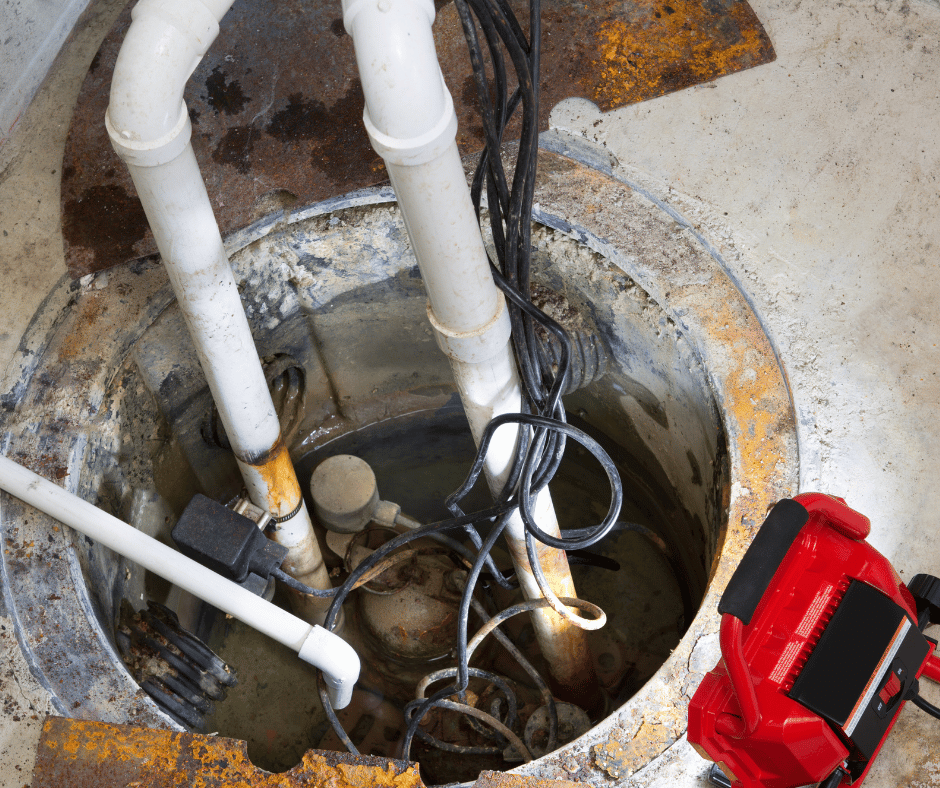
When you walk down to your basement and hear your sump pump running again, even though it just cycled five minutes ago, your first instinct might be to assume you need a new pump. But a constantly-running or frequently-cycling sump pump isn't usually a pump problem—it's a symptom of much more serious issues with your home's drainage and foundation water management.
That overworked sump pump is fighting a losing battle against water problems that require comprehensive solutions, not just a hardware replacement. Christian Brothers Construction has assessed hundreds of Twin Cities homes where homeowners thought they had pump failures, only to discover their foundations were under siege from water management problems that, left un addressed, would lead to catastrophic foundation damage and repair costs 10-20 times higher than proactive drainage solutions.
This guide explains what a constantly-running sump pump actually means, why it's a critical warning sign you should never ignore, and how addressing root causes protects both your foundation and your bank account from the exponentially escalating costs of water damage.
What Your Sump Pump Actually Does (And When It's Working Too Hard)
A sump pump is your basement's last line of defense against water infiltration. It sits in a sump pit—typically 18-24 inches deep and 18 inches in diameter—located at the lowest point of your basement floor. When groundwater accumulates around your foundation and finds its way into your drainage system (usually through interior drain tile), it flows to this pit where the pump automatically activates and ejects the water outside, away from your foundation.
In a properly functioning system with adequate drainage control, your sump pump should activate periodically during and immediately after significant rain events or during spring snowmelt when water tables rise. It might run for 20-40 seconds every 30 minutes to several hours during these peak water periods, then remain inactive for days or weeks during dry conditions.
A sump pump that runs constantly—operating continuously or cycling every few minutes even during moderate rain or dry conditions—indicates your pump is trying to manage water volumes that exceed what your drainage system was designed to handle. This isn't a sign the pump is failing; it's a sign your home has serious water management problems that the pump alone cannot solve.
The Dangerous Reality: What a Constantly-Running Pump Actually Means
When your sump pump runs constantly, here's what's really happening: Water is accumulating against your foundation walls faster than it can drain away naturally, creating massive hydrostatic pressure that's pushing against your basement walls with thousands of pounds of force. Your sump pump is frantically trying to relieve that pressure, but it's treating the symptom while ignoring the disease.
In Minnesota's clay soil conditions, this scenario accelerates foundation damage at an alarming rate. That constant water saturation keeps clay soil expanded and pressing against your foundation. During winter freeze-thaw cycles, this saturated clay freezes and expands even more dramatically, creating forces capable of cracking foundation walls, causing them to bow inward, or in extreme cases we've witnessed, causing catastrophic wall failures where basement walls literally collapse under the pressure.
The sump pump itself faces premature failure from constant operation. Pumps are designed for intermittent duty cycles with cool-down periods between activations. A pump running constantly overheats, wears components rapidly, and typically fails within 1-3 years instead of the 7-10 year lifespan you'd expect from periodic use. When that overworked pump inevitably fails—usually during the worst possible moment like a major storm—your basement floods, causing thousands or tens of thousands of dollars in damage.
Even before pump failure, the constant water infiltration creates conditions for black mold growth, wood rot in floor joists and structural framing, and the musty basement smell that indicates active moisture problems. These secondary damages compound repair costs and create health hazards for your family.
Common Causes of Sump Pumps That Won't Shut Off
Inadequate or Non-Existent Exterior Drainage
The most common cause of constantly-running sump pumps is poor exterior drainage that allows water to accumulate against your foundation rather than draining away from your home. This includes gutters that discharge near your foundation, downspouts without proper extensions, and yard grading that slopes toward your house instead of away from it.
We've assessed countless Burnsville homes where simply extending downspouts 8-10 feet from the foundation and regrading soil to create proper slope reduced sump pump runtime by 70-80%. The pump was working fine—it was just fighting an impossible battle against surface water that should never have reached the foundation in the first place.
Minnesota's clay soil amplifies this problem because clay doesn't drain well. When water accumulates on the surface near your foundation, it sits there saturating the clay rather than percolating down and away. That saturated clay then acts like a water reservoir pressing against your foundation, continuously feeding groundwater into your drainage system and keeping your sump pump running.
Missing or Failed Exterior Drain Tile
Many homes in the Burnsville area were built without exterior drain tile systems, or have exterior drain tile that has failed over time due to clogging, pipe collapse, or improper installation. Without exterior drain tile to intercept groundwater before it reaches foundation walls, all that water accumulates against your foundation and eventually finds its way into your basement.
Homes built before the 1980s often lack comprehensive drain tile entirely, relying instead on surface drainage alone. Newer homes might have drain tile that was improperly installed with inadequate slope, wrong materials, or no filter fabric to prevent soil clogging the perforations. After 20-30 years, even properly installed drain tile can fail as fine soil particles work through filter fabric and clog the system.
When exterior drain tile fails or doesn't exist, your sump pump becomes the primary drainage mechanism rather than a backup system. It's trying to handle the entire job of managing groundwater around your foundation—a task it was never designed to perform alone.
High Water Table Conditions
Burnsville's proximity to the Minnesota River creates elevated water table conditions in many neighborhoods, particularly in lower-lying areas and properties near the river valley. During spring snowmelt and periods of heavy rainfall, the regional water table rises dramatically, sometimes coming within just a few feet of basement floor level.
When the water table is elevated, groundwater is constantly trying to equalize with the elevation of the water table, creating continuous hydrostatic pressure against your foundation. Your sump pump runs constantly because there's literally nowhere for that groundwater to go except into your drainage system and out through the pump.
High water table conditions require comprehensive solutions beyond just a sump pump. Without proper exterior drainage to relieve hydrostatic pressure before it reaches your foundation, the pump fights a never-ending battle against geology itself.
Undersized Sump Pump or Inadequate Pump Capacity
Sometimes the pump itself is genuinely undersized for the water volume it needs to handle. A 1/4 horsepower pump might be adequate for a home with minimal groundwater, but it's woefully inadequate for a property dealing with high water tables, clay soil, or drainage problems that concentrate water near the foundation.
We assess the pump capacity needed based on your home's specific conditions. Homes in high-risk areas often require 1/2 or 3/4 horsepower pumps with higher gallons-per-hour pumping capacity. Some properties need dual sump pump systems with a primary pump and battery-backup pump to handle peak water volumes and provide redundancy during power outages.
However, simply installing a bigger pump without addressing drainage problems is like bailing water from a sinking boat without plugging the holes. You might keep up temporarily, but you haven't solved anything, and eventually you'll fail.
Interior Drain Tile Issues
Interior drain tile systems collect groundwater that enters below your basement floor slab and directs it to your sump pit. If this drain tile is clogged with soil, crushed by settlement, or improperly pitched, water accumulates in your basement floor assembly rather than flowing efficiently to the pump.
We've seen interior drain tile systems that were installed with reverse slope, actually directing water away from the sump pit. We've uncovered drain tile that was installed without filter fabric, allowing soil to clog the perforations within just a few years. We've found drain tile that was never properly connected to the sump pit, creating a "system" that doesn't actually drain anywhere.
When interior drain tile doesn't function properly, water builds up under your basement floor, creating hydrostatic pressure from below that causes floor cracks, wall-floor joint separation, and constant moisture problems. Your sump pump runs constantly trying to handle water that isn't even reaching the pit efficiently.
Clay Soil Acting as a Water Dam
Minnesota's clay soil conditions deserve special attention because they fundamentally change how water behaves around your foundation. Clay soil has extremely low permeability—water can't easily pass through it the way it would through sandy or loamy soil.
When water accumulates in clay soil around your foundation, it stays there for weeks or even months, maintaining constant pressure against your basement walls. Every rain event adds more water to this clay reservoir. Spring snowmelt saturates the clay completely. The saturated clay can't drain naturally, so it just keeps pressing water against your foundation while your sump pump runs continuously trying to manage the infiltration.
Clay soil also expands when wet and contracts when dry, creating mechanical forces that crack foundations and create pathways for water infiltration. Those cracks allow even more water to reach your drainage system, increasing pump runtime further.
Solving sump pump problems in clay soil conditions requires comprehensive drainage solutions that remove water before it saturates the clay. Without addressing the clay soil drainage issue, you're fighting Minnesota geology—and geology always wins.
The Real Cost of Ignoring a Constantly-Running Sump Pump
When homeowners call Christian Brothers about constantly-running sump pumps, they're often surprised to learn this seemingly minor annoyance indicates problems that, left unaddressed, can destroy their foundations and cost $30,000-60,000 to repair.
Here's what happens when you ignore the warning signs:
The constant hydrostatic pressure against your foundation walls progressively causes them to bow inward. We measure wall deflection in increments—a wall that's bowed 1 inch today might be bowed 2-3 inches within 18 months as the pressure continues unabated. Once bowing exceeds 2 inches, you're typically looking at wall stabilization systems costing $8,000-15,000 rather than preventive drainage improvements costing $4,000-8,000.
Foundation cracks that start as hairline fractures widen under continuous hydrostatic pressure. Those widening cracks allow more water infiltration, which increases hydrostatic pressure, which widens cracks further—a vicious cycle that accelerates exponentially. Cracks that would cost $800-1,500 to inject and seal today might require $5,000-8,000 in repairs once they've widened and caused secondary water damage to interior walls and flooring.
Your overworked sump pump will eventually fail, usually during a major rain event when you need it most. We've responded to emergency calls where pump failure caused 4-6 inches of water in finished basements, destroying carpeting, drywall, stored belongings, and mechanical systems. These flood events typically cost $15,000-40,000 between water remediation, mold treatment, and reconstruction—far more than the drainage improvements that would have prevented the problem.
The constant moisture creates black mold conditions in your basement and crawl spaces. Mold remediation companies charge $2,000-6,000 for professional mold removal, and that's before addressing the water problems that caused the mold. Without fixing drainage, mold just returns, requiring repeated remediation costs.
Structural wood in your basement—floor joists, sill plates, support columns—deteriorates from constant moisture exposure. Wood rot compromises your home's structural integrity and can cost $10,000-25,000 to repair when load-bearing members need replacement. This damage is completely preventable with proper water management.
When you eventually sell your home, undisclosed foundation and water problems create massive issues during home inspections. You'll either need to disclose the problems and accept significantly reduced offers, or complete repairs before listing. Buyers walk away from homes with active sump pump and water problems, and financing often won't approve for properties with visible foundation damage.
Christian Brothers' Comprehensive Approach to Sump Pump Problems
When you call Christian Brothers about a constantly-running sump pump, we don't just look at the pump. We assess your entire property's water management system to identify root causes and develop comprehensive solutions.
Step 1: Complete Property Water Management Assessment
We start at your roofline and work down. Gutters must be clean, properly pitched, and discharge through downspouts that extend at least 8-10 feet from your foundation. Clogged gutters or downspouts that discharge right next to your foundation dump concentrated water volumes directly against your basement walls—exactly what we're trying to prevent.
We evaluate grading around your foundation perimeter. Soil should slope away from your house at a minimum 1 inch per foot for the first 6-10 feet. We identify low spots where water pools, areas where settlement has created reverse slope toward your foundation, and locations where landscaping or hardscaping prevents proper drainage.
We look for surface water sources that contribute to your drainage problems. Are neighbor's downspouts or yard drainage directing water onto your property? Is there a natural low spot or drainage swale that concentrates water near your foundation? Are sidewalks, patios, or driveways creating dams that trap water against your house?
Step 2: Sump Pump and Interior System Inspection
Inside your basement, we inspect your current sump pump for adequate capacity, proper operation, and appropriate installation. We verify the pump discharges far enough from your foundation that it isn't just recycling water back into your drainage system.
We check whether you have battery backup systems in place. Power outages during severe storms—exactly when your sump pump faces maximum demand—create disaster scenarios when your primary pump can't operate. Battery backup systems provide crucial redundancy that prevents flooding during outages.
We evaluate your interior drain tile if present. Is it properly connected to your sump pit? Does it have adequate slope? Are there signs of clogging or failure? We can use camera inspection to verify drain tile condition and identify specific problem areas.
Step 3: Foundation and Soil Condition Evaluation
We examine your foundation walls for signs of water damage, hydrostatic pressure, or structural concerns. Efflorescence (white mineral deposits), water staining, cracks, or bowing indicate your foundation is under assault from water and needs more than just pump improvements.
We assess your soil type and drainage characteristics. Minnesota's clay soil requires different solutions than sandy or loamy soil would. We look for signs that clay soil is staying saturated—persistently muddy areas, standing water, or soil that remains soft weeks after rain events.
We evaluate whether seasonal water table changes affect your property. Properties in lower-lying areas or near water features experience more dramatic water table fluctuations that drive sump pump activity and require robust drainage solutions.
Step 4: Root Cause Identification and Solution Development
Based on our comprehensive assessment, we identify the specific causes of your sump pump problems and develop a prioritized solution strategy. For many Burnsville homes, the solution involves multiple components working together.
Exterior drainage improvements typically top the priority list because controlling surface water prevents it from ever reaching your foundation. This might include downspout extensions, grading corrections, and surface drainage solutions that intercept and redirect water.
For properties with severe groundwater problems or high water table conditions, exterior drain tile installation provides comprehensive protection. We excavate around your foundation to footing level, install perforated pipe in a gravel bed with proper filter fabric, and connect the system to daylight or storm sewer. This intercepts groundwater before it reaches your foundation walls and dramatically reduces hydrostatic pressure.
Interior drain tile installation or improvements address water that reaches below your basement floor slab. We ensure proper pitch toward the sump pit, adequate pipe capacity, and appropriate filter fabric to prevent soil clogging. This provides your sump pump with an efficient collection system so it only handles water that truly needs pumping.
Sump pump upgrades might include higher-capacity pumps, dual pump systems for redundancy, battery backup installations, and proper discharge piping that carries water far from your foundation. We size pumps appropriately for your specific water management challenges.
Step 5: Phased Implementation Based on Priority and Budget
We understand comprehensive drainage solutions represent significant investment. We work with you to phase improvements based on what provides the most immediate protection and what can be deferred if necessary.
Critical items like downspout extensions and grading improvements often cost just $500-2,000 and provide substantial relief, making them ideal first-phase projects. More extensive solutions like exterior drain tile installation might be phased for the following year once you've seen the improvement from initial work.
Some clients prefer comprehensive solutions implemented all at once to minimize disruption and maximize efficiency. Others need to phase work over multiple years for budget reasons. We're flexible and transparent about which approach makes sense for your circumstances.
When a New Sump Pump IS the Right Solution
Sometimes, the pump itself genuinely needs replacement. Pumps that are 7-10+ years old have reached normal end-of-life even if they're still operating. Pumps that are too small for your water volumes need upgrading to higher capacity models.
When we replace sump pumps, we install professional-grade units sized appropriately for your conditions. We add battery backup systems to protect against power outages during storms. We ensure discharge piping is properly sized and routed to carry water away from your foundation rather than creating recirculation problems.
However, we never recommend pump replacement alone when drainage problems exist. A new pump in a system with inadequate drainage is just a newer pump that will fail faster. Comprehensive solutions address both the pump and the water management problems causing excessive pump operation.
Preventing Sump Pump Problems Before They Start
For homes that don't currently have sump pump problems, preventing issues is far cheaper than reacting to failures. Here's what Burnsville homeowners should do proactively.
Maintain Your Gutters and Downspouts
Clean gutters twice annually and verify downspouts extend far from your foundation. This single maintenance task prevents thousands of dollars in water damage and foundation problems. Install gutter guards if you're tired of twice-annual cleaning or if your property has heavy tree coverage that constantly clogs gutters.
Monitor Grading and Address Settlement
Check grading around your foundation every spring. Settlement naturally occurs over time, creating low spots where water collects. Add soil to maintain positive drainage away from your house before those low spots cause water infiltration problems.
Test Your Sump Pump Seasonally
Pour a bucket of water into your sump pit quarterly to verify the pump activates properly. Check that it discharges water away from your foundation. Verify any battery backup systems are functional and batteries have adequate charge. Replace pumps that are 7-10+ years old before they fail during a critical event.
Watch for Warning Signs
If your sump pump starts running more frequently than normal, don't ignore it. If you notice water staining on basement walls, musty odors, or increased moisture, investigate immediately. These early warnings allow you to address problems before they become catastrophic.
Consider Proactive Drainage Improvements
If you're in a high-risk area with clay soil, high water tables, or frequent water problems, consider installing exterior drain tile before you experience foundation damage. Proactive drainage installation costs significantly less than reactive foundation repairs plus drainage installation after damage has occurred.
What to Do Right Now If Your Sump Pump Runs Constantly
If your sump pump is currently running constantly or cycling frequently, take immediate action. First, verify your downspouts discharge at least 8-10 feet from your foundation. This temporary fix might provide some relief while you arrange professional assessment.
Second, check that your sump pump discharge isn't creating a closed loop where pumped water just flows back to your foundation. Extend discharge piping if necessary to carry water away from your property.
Third, call Christian Brothers at (952) 898-3559 for a comprehensive water management assessment. We'll identify what's causing your pump to overwork and provide transparent pricing for solutions that address root causes rather than just symptoms.
Don't wait until your pump fails or your foundation sustains damage. Every day that pump runs constantly, hydrostatic pressure continues attacking your foundation while your pump races toward premature failure. The sooner you address water management problems, the lower your ultimate repair costs will be.
Why Christian Brothers for Water Management Solutions
Christian Brothers Construction has been solving complex water management and foundation problems in Burnsville and throughout the Twin Cities for over 15 years. Partners Mike Ricke and Anthony Lebens built our company on comprehensive solutions rather than quick fixes, and that philosophy drives how we approach every water management project.
Anthony spent decades as a foundation and water management specialist at a major Twin Cities construction company before partnering with Mike. That depth of experience means we understand the complex interplay between Minnesota's clay soil, variable water tables, seasonal weather patterns, and foundation construction techniques used across different eras of Burnsville's development.
We're based right here in Burnsville at 15208 County Road 5. When you call us, you're talking to people who live in your community and understand the specific challenges Burnsville properties face with water management. We're not a franchise sending crews from who-knows-where; we're your neighbors who've been solving these problems in this area for over 15 years.
We provide transparent assessments explaining exactly what's causing your problems and what solutions will actually work. We don't oversell unnecessary work or take shortcuts to win on price. We develop solutions appropriate for your specific property conditions and budget, with honest guidance about what's critical versus what can wait.
Our goal is solving your water management problems in a way that protects your foundation for decades, not just making a sale. We want you to call us because your foundation stayed dry and your sump pump now runs appropriately rather than constantly. That long-term thinking is how we've built our reputation and why Burnsville homeowners trust us with their foundation and water management challenges.
Taking Action: Protect Your Foundation Before Damage Escalates
Your constantly-running sump pump is sending you a clear message: your home has water management problems that require professional attention. Ignoring that message leads to foundation damage, premature pump failure, and repair costs that escalate exponentially with time.
Christian Brothers provides comprehensive water management solutions that address root causes and protect your foundation for decades to come. We assess your entire property, identify what's actually causing problems, and develop solutions that make sense for your specific conditions and budget.
Contact us to schedule your free water management assessment. We'll inspect your property, evaluate your sump pump system, and provide transparent guidance about what solutions will solve your problems rather than just patch symptoms.
From the foundation up, that's how we approach every project. It's how we've earned our reputation throughout Burnsville and the Twin Cities, and it's how we'll approach your water management concerns. Let's protect your foundation before small problems become catastrophic failures.


