
Edina Foundation Repair: Historic Homes, Clay Soil, and What Edina Homeowners Need to Know
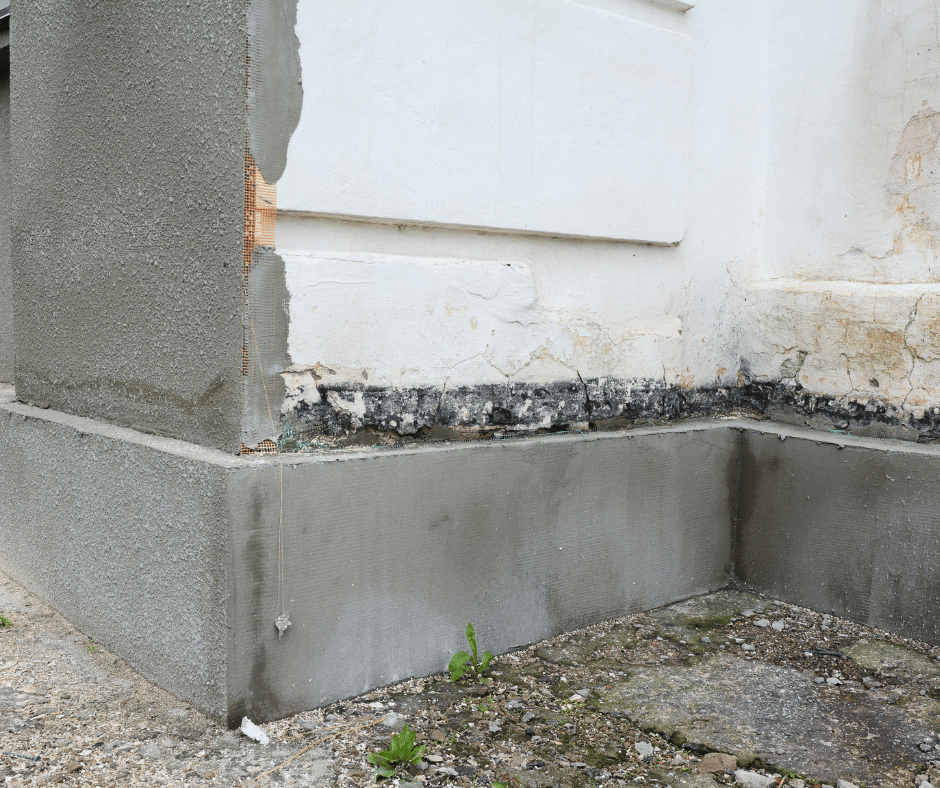
When you own a historic home in Edina—one of those beautiful properties in Country Club, Morningside, or Cahill that were built between 1900 and 1960—you're not just maintaining a house. You're preserving architectural heritage that represents some of the Twin Cities' finest residential construction. But that heritage comes with unique foundation challenges that require expert understanding of both historic construction techniques and modern repair solutions.
Christian Brothers Construction has been repairing foundations in Edina for over 15 years, and we understand what makes this community's homes special. From the grand estates near Edina Country Club to the charming ramblers in Braemar and Parkwood Knolls, Edina homes were built with quality materials and craftsmanship that's rare in modern construction. However, even the best 1920s construction wasn't designed for the relentless punishment Minnesota's climate delivers year after year, decade after decade.
This comprehensive guide explains the unique foundation challenges Edina homeowners face, how Minnesota's clay soil and freeze-thaw cycles affect historic foundations, and what comprehensive solutions actually protect your home's structural integrity and property value.
Why Edina's Historic Homes Face Unique Foundation Challenges
Edina's residential development boom occurred primarily between 1900 and 1970, creating neighborhoods filled with homes that are now 50-120+ years old. These homes were built using construction techniques and foundation designs that simply weren't engineered for the cumulative stress of a century of Minnesota freeze-thaw cycles acting on clay soil.
Historic Foundation Construction Methods
Many of Edina's oldest homes feature fieldstone foundations—literally stones stacked with mortar to create basement walls. These foundations can last a century when conditions are right, but they're inherently vulnerable to water infiltration and settlement. The mortar used historically was often lime-based and softer than modern portland cement mortars, making it more susceptible to erosion and deterioration.
Homes built between 1920 and 1960 often feature concrete block foundations or early poured concrete foundations. While more substantial than fieldstone, these foundations were constructed with concrete mixes that lack the compressive strength and freeze-thaw resistance of modern formulations. The reinforcement steel used was often minimal or non-existent by today's standards.
A-frame foundations—where the foundation walls angle inward from bottom to top—were common in Minneapolis and parts of Edina for homes built before 1950. These foundations relied on the angle and minimal block work to hold back soil, using construction methods that were adequate when new but leave minimal margin for deterioration over time.
The Lake Effect: How Proximity to Water Affects Foundations
Edina's numerous lakes create microclimates that increase moisture exposure for nearby properties. Homes within a half-mile of Lakes Calhoun, Harriet, Cornelia, or any of Edina's smaller lakes experience higher ambient humidity and often face elevated groundwater conditions during wet seasons.
Spring snowmelt from these lakes raises local water tables significantly. Combined with Minnesota's clay soil that doesn't drain well, this creates sustained hydrostatic pressure against foundations that were never designed to resist continuous water force. The result is progressive foundation damage that accumulates over decades.
Clay Soil: Edina's Hidden Foundation Destroyer
Edina sits predominantly on clay soil, which behaves dramatically different from sandy or loamy soils. Clay expands up to 10% when it absorbs water, creating tremendous pressure against foundation walls. When it dries or freezes, it contracts and pulls away, creating voids that fill with water during the next wet period.
This expansion-contraction cycle repeats hundreds of times over a foundation's lifetime. Each cycle causes incremental damage—widening cracks, displacing mortar, creating pathways for water infiltration. For historic Edina foundations built before modern waterproofing techniques and materials existed, this clay soil pressure is relentless and devastating.
The Property Value Factor: Why Foundation Problems Cost More in Edina
Edina's premium real estate values mean foundation problems have outsized financial impact compared to similar issues in other communities. A home worth $800,000 to $1.5 million in Edina faces significant value loss from foundation problems. Buyers in this price range conduct thorough inspections and won't accept homes with visible foundation damage.
We've seen Edina home sales fall through because inspections revealed foundation cracks or bowing walls. Sellers faced either completing expensive repairs before closing or accepting price reductions of $40,000-80,000 to account for foundation issues the buyer would need to address. For properties of Edina's caliber, maintaining foundation integrity isn't just about avoiding water in your basement—it's about protecting substantial financial investments.
Common Foundation Problems in Edina Historic Homes
Fieldstone Foundation Deterioration
Homes in Morningside, Country Club District, and older sections of Cahill often feature fieldstone foundations that are approaching or exceeding 100 years old. The mortar between stones deteriorates through freeze-thaw cycles and water infiltration, eventually allowing stones to shift or dislodge entirely.
We've responded to Edina homes where entire sections of fieldstone foundation had separated, allowing massive water infiltration and creating structural instability. These failures often occur suddenly after years of gradual deterioration that homeowners didn't recognize as urgent.
Fieldstone foundation repair requires careful assessment. Sometimes repointing the mortar joints suffices. Other times, sections need complete reconstruction with modern materials while maintaining the historic appearance. The challenge is determining what's savable versus what requires replacement.
Foundation Settlement from Historic Construction Practices
Many Edina homes were built with minimal foundation footings or footings that don't extend below frost depth. Minnesota frost penetration reaches 42-60 inches deep, but older homes sometimes have footings at just 24-36 inches. These shallow footings are vulnerable to frost heave and settlement as soil freezes and thaws.
We see this most commonly in homes built between 1920-1950 where foundation construction preceded modern building codes. The original construction was acceptable for its time, but decades of freeze-thaw cycles have caused progressive settlement that manifests as cracked walls, sloping floors, and doors that won't close properly.
Brick Veneer Separation from Foundation Movement
Many of Edina's most prestigious homes feature brick exteriors that are technically veneer—a decorative layer attached to the structural foundation wall behind it. When foundation walls settle or bow inward from hydrostatic pressure, this brick veneer separates from the structural wall.
The separation appears as gaps between the brick and the foundation, stair-step cracks in mortar joints, or entire sections of brick that have pulled away from the building. This isn't just cosmetic—it indicates serious foundation movement and creates pathways for water infiltration that accelerates deterioration.
Water Infiltration from Failed Historic Waterproofing
Homes built before 1970 often lack any foundation waterproofing. The expectation was that basement walls would naturally stay dry if gutters and grading were adequate. This assumption has proven catastrophically wrong in Minnesota's climate with clay soil conditions.
Without waterproofing, water migrates directly through foundation walls via capillary action and cracks. This creates chronically damp basements, efflorescence on walls, and conditions perfect for mold growth. The constant moisture accelerates mortar deterioration and concrete spalling, creating a vicious cycle of progressive damage.
Foundation Wall Bowing from Hydrostatic Pressure
Perhaps the most serious problem we address in Edina homes is foundation wall bowing caused by sustained hydrostatic pressure from saturated clay soil. Walls that start with subtle inward deflection progress rapidly once movement begins, potentially leading to catastrophic wall failure.
We use laser measurement to quantify wall deflection. An inch of inward movement at the top of an 8-foot wall indicates massive pressure, and each additional fraction of an inch brings the wall closer to failure. Once walls bow more than 2 inches, we're typically looking at comprehensive stabilization systems costing $10,000-25,000 rather than simpler repairs.
The Christian Brothers Comprehensive Approach to Edina Foundation Repair
When Edina homeowners call Christian Brothers, they're not just getting a foundation repair contractor—they're getting partners who understand the intersection of historic preservation, modern engineering, and Minnesota's unique climate challenges.
Historic Preservation Meets Modern Engineering
We approach historic Edina foundations with respect for original craftsmanship while applying modern materials science to ensure repairs last another century. For fieldstone foundations, we carefully match historic mortar composition while using modern additives that improve freeze-thaw resistance. For brick repairs, we source materials that match the size, color, and texture of original bricks.
Our goal is making repairs that preserve your home's historic character while providing structural performance that meets or exceeds modern building codes. When we're finished, you shouldn't be able to tell where historic materials end and our repairs begin—except that your foundation is now structurally sound and waterproof.
Comprehensive Water Management Solutions
Foundation repair without addressing water management is just temporary patching. We evaluate every property for drainage problems that create the hydrostatic pressure causing foundation damage.
For many Edina homes, this starts with upgrading gutters and downspouts. Original downspouts often discharge right next to foundations, concentrating massive water volumes exactly where you don't want them. We extend downspouts 8-10 feet from foundations and add buried drainage where necessary to carry water completely away from your property.
Grading evaluation identifies low spots where water pools against foundations. We regrade problem areas and often add soil to create positive slope away from your home. For properties where landscaping prevents surface water solutions, we install drainage systems that intercept water before it reaches your foundation.
Exterior vs. Interior Drain Tile: Choosing the Right Solution
For homes with persistent groundwater problems, drain tile installation provides comprehensive protection. The question is whether exterior or interior installation makes sense for your specific situation.
Exterior drain tile requires excavating around your foundation to footing level, but it provides the most complete protection by intercepting groundwater before it ever reaches foundation walls. For Edina homes with extensive landscaping, this can be disruptive, but the protection is unmatched.
Interior drain tile is less disruptive and typically costs 40-60% less than exterior installation. We remove sections of basement floor perimeter, install drain tile in a gravel bed, and direct water to a sump pump. This approach manages water that reaches your foundation while avoiding exterior excavation.
For homes in flood-prone areas near Edina's lakes or in clay soil with high water tables, we often recommend both interior and exterior systems working together for maximum protection.
Foundation Wall Stabilization Methods
For walls showing signs of bowing or horizontal cracking, we install stabilization systems engineered specifically for your foundation type and degree of damage.
Carbon fiber reinforcement is ideal for walls with early-stage bowing—less than 2 inches of deflection. Carbon fiber strips bonded to walls provide tremendous tensile strength that prevents further movement. These systems are minimally invasive and can often be concealed during basement finishing.
For more severe bowing, steel I-beam systems anchored to floors and joists create structural reinforcement that can actually pull walls back toward vertical over time as we periodically tighten the adjustable components. These systems are engineered to resist the extraordinary hydrostatic pressure Minnesota's clay soil creates.
Wall anchor systems are another option where we install earth anchors beyond the active soil zone and connect them through foundation walls with steel rods. This approach pulls walls outward while the anchors resist inward pressure, creating a balanced system that stabilizes even severely compromised walls.
Foundation Reconstruction When Necessary
Sometimes Edina foundation damage is too severe for repair—walls have collapsed, fieldstone foundations have failed structurally, or deterioration is so extensive that reconstruction is the only viable solution.
We perform foundation reconstruction using modern materials and techniques while maintaining your home's historic appearance. This might mean pouring new concrete walls behind your original fieldstone exterior, or completely rebuilding failing sections with reinforced concrete designed to last another century.
Foundation reconstruction is expensive—typically $25,000-60,000 depending on scope—but it's sometimes the only responsible solution. We're honest with homeowners about when repair is adequate versus when reconstruction is necessary for long-term structural integrity.
What Foundation Repair Costs in Edina
Edina's premium real estate values and often-complex foundation issues mean repair costs tend toward the higher end of Twin Cities ranges.
For crack repair and waterproofing projects, expect $3,000-8,000 depending on the extent of damage and whether interior or exterior waterproofing is needed. Simple crack injection might cost $1,200-2,500, while comprehensive waterproofing with drain tile installation ranges from $8,000-18,000.
Foundation wall stabilization using carbon fiber or steel beams typically costs $8,000-20,000 depending on how much wall needs stabilization and the severity of bowing. More extensive projects requiring multiple walls or severe corrections can reach $25,000-40,000.
Complete foundation reconstruction ranges from $25,000-60,000 or more for homes requiring extensive work. Historic homes sometimes require specialized techniques and materials that increase costs compared to straightforward modern foundation repair.
These costs might seem substantial, but they're investments in your property that protect values ranging from $800,000 to $2+ million. The cost of NOT addressing foundation problems is far higher—both in terms of escalating damage and in the impact on property value when you eventually sell.
When to Call for Foundation Assessment
If you're seeing warning signs in your Edina home, don't wait for problems to become catastrophic. Early intervention is exponentially cheaper than emergency repairs.
Call Christian Brothers immediately if you notice cracks in basement walls—especially horizontal cracks or stair-step patterns in block or brick. Call if walls are visibly bowed or if you can sight down the wall and see it's no longer vertical. Call if you're experiencing persistent water infiltration, musty basement odors, or if your sump pump runs constantly.
Even if you're not seeing active problems, homes built before 1960 benefit from professional foundation assessments every 3-5 years. Early detection of deterioration allows proactive repairs before damage becomes severe.
Why Edina Homeowners Choose Christian Brothers
Christian Brothers Construction brings over 15 years of experience repairing foundations throughout Edina and the broader Twin Cities metro. Partners Mike Ricke and Anthony Lebens built our company on the foundation of comprehensive solutions, expert craftsmanship, and treating every home as if it were our own.
Anthony spent decades as a foundation specialist at a major Twin Cities construction company before partnering with Mike. That depth of experience means we've encountered every foundation problem Minnesota can create, and we understand both historic construction techniques and modern repair technologies.
We're based in Burnsville, not some distant city sending crews based on marketing algorithms. When you call us, you're talking to people who understand Edina's unique character, the quality expectations of this community, and the specific foundation challenges these homes face.
We provide honest assessments that explain exactly what problems you're facing and what solutions we recommend. We don't oversell unnecessary work, and we don't cut corners to win on price. Our goal is solving your foundation problem in a way that protects your home and your substantial investment for decades to come.
Protecting Your Edina Home's Foundation
Your Edina home represents substantial financial investment and often irreplaceable architectural heritage. Foundation problems threaten both the structure and the value of your property.
Christian Brothers provides comprehensive foundation repair solutions that respect historic construction while applying modern engineering and materials to ensure your foundation lasts another century. We assess drainage, soil conditions, and foundation integrity to develop solutions that address root causes rather than just symptoms.
Contact us to schedule your free foundation assessment. We'll evaluate your property, identify any concerns, and provide transparent guidance about what solutions will protect your home's foundation and preserve your property value.
From the foundation up, that's how we approach every project—and it's how we'll approach your Edina home's foundation needs.


