
Garage Floor Settling and Sinking: What Minnesota Homeowners Need to Know Before It Gets Worse
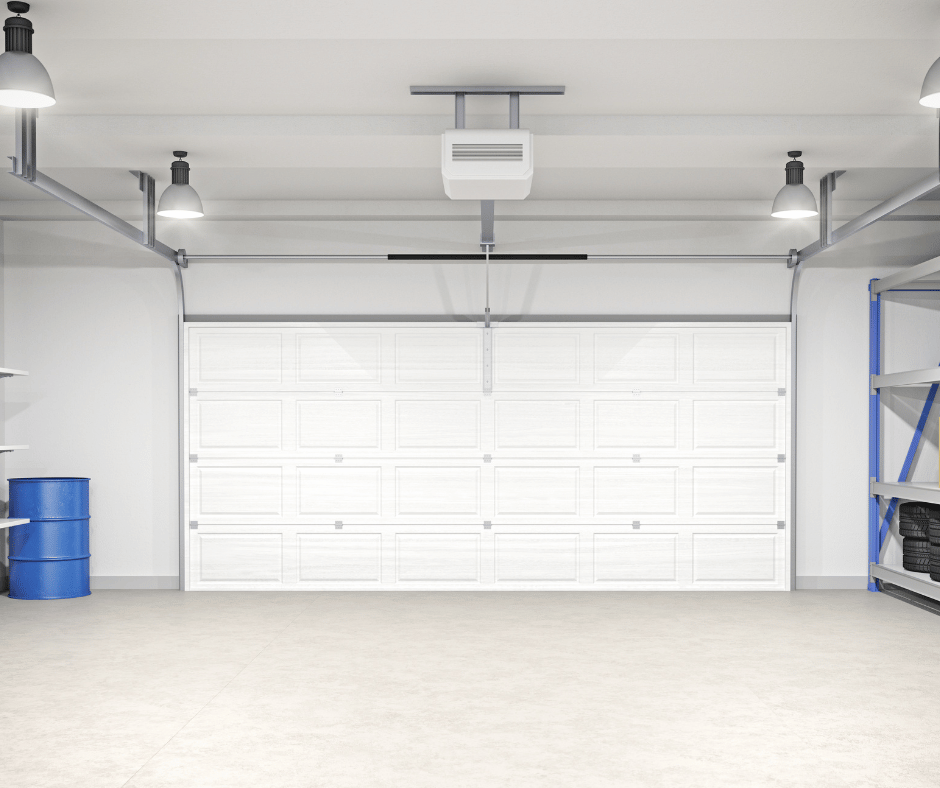
When you pull into your garage and notice that nagging gap between your garage floor and the driveway apron has grown from a minor lip to a legitimate tripping hazard, or when you realize your garage floor has developed an unmistakable slope toward the door, you're not just dealing with a cosmetic annoyance. You're witnessing early warning signs of foundation and water management problems that will escalate exponentially if you ignore them.
Christian Brothers Construction has been repairing garage floors, driveway aprons, and the foundation problems that cause them throughout the Twin Cities for over 15 years. We've responded to hundreds of calls from homeowners who thought they just had a "concrete problem," only to discover their settling garage floor was signaling serious foundation issues, water infiltration, and soil erosion that required comprehensive solutions.
This guide explains what causes garage floors to settle and sink, why Minnesota's climate makes this problem particularly destructive, what those settling floors reveal about your home's foundation, and how comprehensive solutions prevent small problems from becoming catastrophic failures that cost $15,000-40,000 to repair.
Why Garage Floors Settle in Minnesota
Garage floor settling isn't random bad luck—it's the predictable result of specific conditions that Minnesota's climate and construction practices create.
Void Formation Beneath Concrete Slabs
The most common cause of settling garage floors is void formation in the soil beneath the concrete slab. These voids develop when water flows beneath your garage floor, gradually eroding soil and carrying it away. As soil disappears, concrete loses its support and settles into the void.
In Minnesota's freeze-thaw climate, this erosion accelerates dramatically. Water that infiltrates beneath your garage floor freezes during winter, expanding and creating channels through which more water flows during thaw periods. Each freeze-thaw cycle widens these channels and erodes more soil, progressively enlarging voids until sections of garage floor lose enough support that they visibly settle.
The settling often starts subtly—maybe a quarter-inch drop at the garage door opening. But once voids form and water has established flow paths beneath your slab, deterioration accelerates. That quarter-inch gap becomes a half-inch within months, then progresses to two inches or more as the unsupported concrete cracks under its own weight and vehicle loads.
Poor Original Compaction
Many garage floors were poured over fill soil that wasn't adequately compacted during construction. This is particularly common in homes built between the 1960s and 1990s when compaction standards were less rigorous than modern building codes require.
Improperly compacted fill soil slowly consolidates under the weight of the concrete slab and vehicles using the garage. This consolidation creates voids and causes progressive settling that might not become apparent for 10-20 years after construction. By the time you notice the problem, significant compaction has occurred and the garage floor has settled substantially.
Minnesota's clay soil exacerbates poor compaction issues because clay undergoes dramatic volume changes with moisture fluctuations. Clay fill soil that wasn't properly compacted contracts when it dries, creating larger voids and more settlement than sandy or loamy soil would under similar conditions.
Water Infiltration from Failed Driveway Aprons
The gap between your driveway and garage floor—the driveway apron—is designed to be seamless and waterproof. When this apron cracks, separates, or settles differently than your garage floor, it creates an opening where water concentrates and flows directly beneath your garage.
Minnesota's freeze-thaw cycles destroy driveway aprons relentlessly. Water infiltrates small cracks, freezes and expands, widening cracks into major separations. Rain and snowmelt then pour through these openings, pooling beneath your garage floor where it erodes soil and creates the voids that cause settling.
We've assessed countless Twin Cities homes where failed driveway aprons were directing hundreds of gallons of water beneath garage floors during each rain event. That concentrated water flow erodes soil rapidly, creating voids that cause dramatic settling within just 1-2 years.
Foundation Movement Creating Floor Stress
Garage floors are typically poured as floating slabs—they're not structurally attached to your foundation. When your home's foundation settles, shifts, or is pushed inward by hydrostatic pressure, it creates stress points where the garage floor and foundation interact.
This movement can cause garage floors to crack at the foundation interface, creating pathways for water infiltration. It can also alter drainage patterns, directing water beneath the garage floor rather than away from it. The result is accelerated soil erosion and settling that's actually a symptom of broader foundation problems.
Clay Soil Expansion-Contraction Cycles
Minnesota's clay soil doesn't just sit passively beneath your garage floor—it expands dramatically when wet and contracts when dry. This creates a dynamic situation where the soil supporting your garage floor is constantly changing volume.
During wet periods, expanding clay can actually lift sections of garage floor, creating stress cracks. During dry periods, contracting clay creates voids beneath the slab. Vehicle weight and concrete's own mass then cause the unsupported slab to settle into those voids. Over years and decades, this cycle progressively damages garage floors and creates the settling problems homeowners eventually notice.
Warning Signs Your Garage Floor Is Settling (And What They Mean)
Growing Gap Between Floor and Driveway
The most obvious sign is an expanding gap where your garage floor meets the driveway. This gap might start at a quarter-inch—barely noticeable and easily dismissed as normal settling. Within a year or two, it grows to a half-inch or inch, creating a visible step and tripping hazard.
This gap indicates the garage floor is settling faster than the driveway, usually because voids beneath the floor are larger or water infiltration is more severe under the garage than under the driveway. The rate at which this gap expands tells you how rapidly soil erosion is progressing—fast expansion means aggressive water problems requiring immediate attention.
Visible Floor Slope Toward the Garage Door
Walk into your garage and look at the floor. Does it visibly slope downward toward the door? Set a tennis ball on the floor—does it roll toward the door? These signs indicate substantial settling has occurred, with the front edge of the floor dropping several inches lower than where it meets your house foundation.
This slope indicates major void formation beneath the front portion of your slab. The settling has progressed far enough that the concrete has literally tilted, creating drainage problems that worsen the situation by directing even more water toward the settled area.
Cracks Radiating from Corners or Doors
Cracks that radiate from garage corners or from the areas around service doors indicate differential settling—some parts of your floor are settling faster than others, creating stress that cracks the concrete. These cracks often start small but widen progressively as settling continues.
The crack pattern provides clues about what's happening beneath your floor. Cracks radiating from corners suggest void formation at those locations. Cracks parallel to the garage door indicate the floor is breaking along the line where supported concrete meets unsupported concrete.
Separation Between Garage Floor and Foundation Walls
Look carefully where your garage floor meets the foundation walls. If you see separation gaps, vertical cracks, or if you can see daylight beneath the slab edge, your floor has settled away from the foundation. This separation creates pathways for water, insects, and rodents to enter beneath your garage floor, accelerating deterioration.
Water Pooling in New Locations
If water now pools in areas of your garage where it never did before, settling has altered your floor's drainage pattern. Low spots that collect water indicate where voids have formed and concrete has dropped. That standing water infiltrates beneath the slab through cracks and accelerates soil erosion, creating a vicious cycle of progressive damage.
How Garage Floor Settling Connects to Foundation Problems
Homeowners often view garage floor settling as an isolated concrete problem, but it's frequently connected to broader foundation issues that require comprehensive solutions.
Water Management Failures
Settling garage floors and foundation problems share a common root cause: inadequate water management. When water isn't properly directed away from your home, it accumulates around foundations and beneath concrete slabs, causing both foundation damage and garage floor settling.
We assess water management comprehensively because fixing your garage floor without addressing drainage just sets up the same problems to recur. If your gutters discharge near your garage, if grading directs water toward your foundation, or if your driveway slopes water toward your garage, these drainage failures need correction regardless of which symptom brought you to call us.
Foundation Settlement Patterns
Sometimes garage floor settling mirrors foundation settlement patterns. If your home's foundation is settling in a corner, the garage floor attached to that corner often settles similarly. This indicates soil consolidation or erosion affecting the entire structure rather than just the garage.
When we identify these patterns, it alerts us to investigate foundation conditions more carefully. Foundation settlement creates structural risks beyond just garage floor inconvenience, and addressing it becomes the priority that encompasses fixing the garage floor as part of comprehensive repairs.
Hydrostatic Pressure Indicators
Garage floors that settle often accompany basement water problems or foundation wall bowing—all symptoms of hydrostatic pressure from poor drainage. Water that erodes soil beneath your garage floor creates the same hydrostatic pressure against your basement walls that causes cracks, bowing, and water infiltration.
When we're called for garage floor settling and discover you're also experiencing basement moisture or foundation cracks, it confirms hydrostatic pressure is attacking your entire foundation system. Comprehensive solutions that relieve that pressure address all these problems together rather than patching each symptom individually.
Repair Solutions: Mudjacking, Replacement, and Comprehensive Approaches
Mudjacking (Slabjacking) for Minor Settling
For garage floors with relatively minor settling—typically less than 2-3 inches—and where the concrete is still in good structural condition, mudjacking can be an effective solution. This process involves drilling holes through the concrete and pumping a slurry mixture beneath the slab to fill voids and lift the concrete back to its original position.
Mudjacking costs significantly less than complete replacement, typically $1,500-4,000 for a standard two-car garage depending on the extent of settling and void sizes. The process is fast—usually completed in a single day with immediate use of the garage afterward.
However, mudjacking only works when the settling is purely a void-fill problem and when the concrete itself is structurally sound. If your garage floor is severely cracked, if settling exceeds 3-4 inches, or if ongoing water problems haven't been addressed, mudjacking becomes a temporary fix that doesn't solve underlying issues.
Complete Garage Floor Replacement
For severely settled floors, extensively cracked concrete, or situations where the original slab is structurally compromised, complete replacement is often the most cost-effective long-term solution. We remove the failed concrete, address soil conditions, improve drainage, and pour a new slab engineered to resist Minnesota's harsh conditions.
Replacement costs more than mudjacking—typically $6,000-12,000 for a standard two-car garage—but it provides a comprehensive solution that should last 30-50+ years when combined with proper drainage improvements. We address soil compaction, install vapor barriers, add proper reinforcement, and create drainage features that prevent future settling.
The decision between mudjacking and replacement depends on your specific conditions, budget, and long-term plans for the property. We provide honest assessments of which approach makes sense for your situation.
Drainage Improvements: The Critical Component
Regardless of whether we mudjack or replace your garage floor, addressing drainage is non-negotiable for lasting results. We evaluate and improve multiple drainage components as part of comprehensive garage floor solutions.
Gutters and downspouts must discharge at least 8-10 feet from your garage and driveway. We often add buried downspout extensions that carry water completely away from your property. Driveway and yard grading should direct surface water away from your garage rather than toward it. We correct grading problems and often add drainage swales or catch basins for properties where surface water management is challenging.
For garages with severe settling from persistent groundwater problems, we might recommend installing drain tile around the garage perimeter or beneath the floor that directs water to a collection point away from the structure. This aggressive drainage approach prevents future settling even in challenging conditions.
Driveway Apron Repair: The Connected Problem
Garage floor settling almost always accompanies driveway apron problems. These two concrete elements work together, and failure of one typically indicates problems with both.
What Driveway Aprons Do
The driveway apron is the concrete section connecting your driveway to your garage floor. It bears the transition loads as vehicles enter and exit your garage, and it serves as the weather seal preventing water infiltration beneath your garage floor. When aprons fail, all these functions suffer.
Minnesota's freeze-thaw cycles are particularly destructive to driveway aprons because the constant vehicle traffic and temperature stress create cracks that propagate rapidly. A hairline crack that forms in fall becomes a major separation by spring after enduring dozens of freeze-thaw cycles.
Coordinating Apron and Floor Repairs
When we're addressing garage floor settling, we simultaneously assess your driveway apron condition. Often, apron repairs or replacement need to happen concurrently with floor work to ensure a seamless connection that prevents future water infiltration.
Repairing the garage floor while leaving a failed apron in place just creates recurring problems. Water continues flowing through apron cracks, eroding soil, and causing the repaired floor to settle again. Comprehensive solutions address both components together for lasting results.
What Garage Floor Repair Costs in the Twin Cities
Understanding cost ranges helps you budget appropriately and evaluate whether contractors' proposals are reasonable.
For mudjacking, expect $1,500-4,000 for a typical two-car garage depending on settling severity and void sizes. More extensive settling or larger garages increase costs proportionally.
Complete garage floor replacement ranges from $6,000-12,000 for a standard two-car garage. This includes demolition, proper soil preparation, new concrete with appropriate reinforcement and vapor barriers, and finishing. Costs increase for larger garages, additional reinforcement, or special finishes.
Driveway apron replacement typically costs $1,500-3,500 for a standard apron, depending on size and whether the existing apron requires removal. Combined with floor work, we often discount bundled services compared to addressing them separately.
Drainage improvements—extending downspouts, regrading, installing surface drainage—add $500-3,000 depending on scope. While this increases initial investment, it's essential for preventing recurring problems and protecting your repair investment.
These costs might seem substantial, but they're investments that protect your home from much more expensive foundation damage. Ignoring garage floor settling while water continues eroding soil beneath your foundation can lead to basement water problems, foundation wall damage, and repair costs of $15,000-40,000 or more.
Preventing Garage Floor Problems: Proactive Maintenance
For homes without current settling problems, prevention is far cheaper than repair.
Maintain Proper Drainage
Clean gutters twice annually and verify downspouts extend far from your garage and foundation. Check grading around your garage every spring and add soil to maintain positive slope away from the structure. Watch for areas where water pools near your garage and address them before they cause soil erosion.
Seal Driveway Apron Cracks Early
Inspect your driveway apron annually for cracks. Seal any cracks with quality concrete sealant before they propagate. This simple maintenance prevents water infiltration that leads to major apron failures and garage floor settling.
Monitor for Warning Signs
Walk through your garage monthly and look for changes. Are new cracks developing? Is the gap between floor and driveway growing? Is water appearing in new locations? Catching problems early allows inexpensive repairs rather than costly replacement.
Address Foundation Issues Promptly
If you're experiencing basement water, foundation cracks, or other foundation problems, address them before they affect your garage. Foundation settling and water problems create conditions that damage garage floors, so proactive foundation maintenance protects your garage as well.
Why Choose Christian Brothers for Garage Floor and Foundation Solutions
Christian Brothers Construction approaches garage floor problems through our "from the foundation up" philosophy. We don't just patch visible symptoms—we identify root causes and develop comprehensive solutions that address underlying problems.
When you call us about garage floor settling, we assess your entire property's water management and foundation conditions. We identify whether your garage problem is isolated or part of broader foundation issues. We provide transparent explanations of what we find and honest recommendations about which repairs are necessary versus optional.
Partners Mike Ricke and Anthony Lebens built our company on integrity, quality craftsmanship, and comprehensive solutions that last decades. Anthony's decades of experience as a foundation specialist means we understand how garage floors, driveway aprons, drainage, and foundation conditions interact. This comprehensive knowledge allows us to solve problems correctly rather than just treating symptoms.
We're based in Burnsville, not some distant franchise sending crews based on marketing algorithms. When you call Christian Brothers, you're working with people who understand Minnesota's unique challenges, live in your community, and stake our reputation on solving problems right the first time.
Taking Action Before Small Problems Become Catastrophic
If your garage floor is settling, don't wait for the problem to become severe. Every rain event that funnels water beneath your floor erodes more soil. Every freeze-thaw cycle widens cracks and accelerates deterioration. The cost and disruption of repair increase exponentially with time.
Call Christian Brothers at (952) 898-3559 or visit cbctwincities.com for a comprehensive garage floor and foundation assessment. We'll evaluate your garage floor condition, assess drainage and foundation issues, and provide transparent guidance about what solutions will protect your home long-term.
From the foundation up—that's how we approach every project. It's how we've earned our reputation throughout the Twin Cities, and it's how we'll approach your garage floor concerns. Let's solve the problem correctly before it becomes a catastrophic failure.


