
Eagan Foundation Repair: Complete Guide for Eagan Homeowners
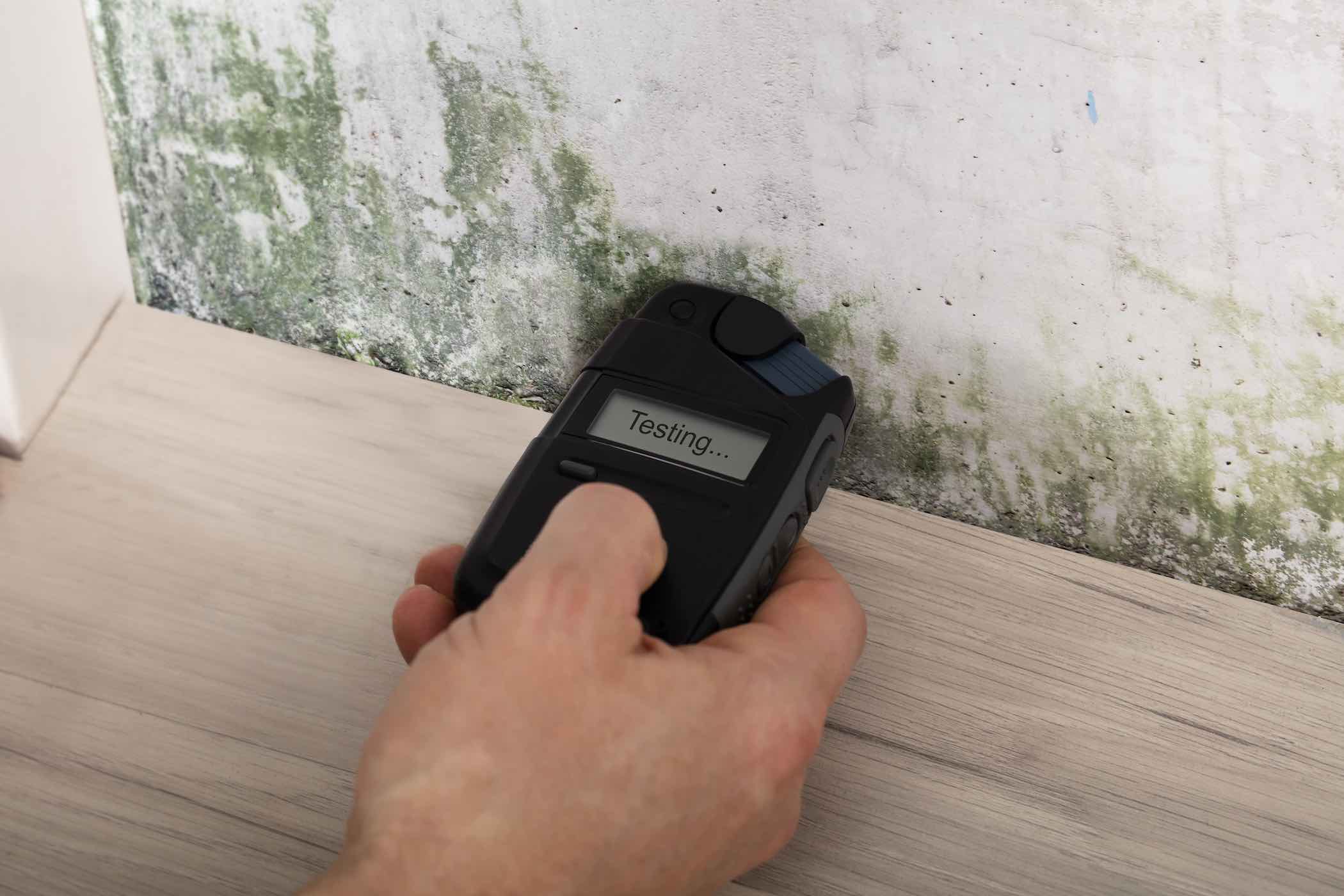
Eagan, Minnesota—the thriving Dakota County city of over 68,000 residents, home to beautiful neighborhoods ranging from established 1960s-70s developments to brand-new construction, corporate headquarters, and families drawn to its excellent schools and easy Twin Cities access. It's a community that takes pride in home ownership and property maintenance.
But beneath Eagan's well-maintained lawns and attractive homes, many foundations are fighting a silent battle against forces most homeowners never see: expansive clay soil, aggressive freeze-thaw cycles, high groundwater tables in certain areas, and the relentless pressure of Minnesota's extreme climate.
At Christian Brothers Construction, based just 15 minutes north in Burnsville, we've been helping Eagan homeowners protect and repair their foundations for over 15 years. We've seen foundation challenges in every Eagan neighborhood—from the original developments near the Eagan Core to newer communities like Lexington and Cedar Grove, from homes near Lebanon Hills to properties along the Minnesota River valley.
This comprehensive guide addresses the specific foundation challenges Eagan homeowners face, what makes your area unique, and how to protect your most important investment: your home.
Why Eagan Foundations Face Unique Challenges
While all Minnesota homes battle freeze-thaw cycles and clay soil, Eagan presents some location-specific factors that create particular foundation vulnerabilities.
Dakota County's Clay-Heavy Soil Composition
Eagan sits squarely in Dakota County's clay belt. Much of Eagan's underlying soil consists of heavy clay deposited during glacial periods thousands of years ago. This clay has the characteristics that make it particularly destructive to foundations:
Expansive Properties: When Eagan's clay soil absorbs water from rain, snowmelt, or groundwater, it swells dramatically—potentially increasing in volume by 10-15%. This expansion creates tremendous lateral pressure against foundation walls, sometimes exceeding 5,000 pounds per square foot.
When this clay dries out during summer droughts, it shrinks and can pull away from foundations, creating voids that fill with water during the next rain event. This constant expansion-contraction cycle stresses foundation systems year after year.
As we explain in our comprehensive article on clay soil vs. foundations, understanding your soil type is critical to protecting your Eagan home.
Poor Drainage Characteristics: Clay is nearly impermeable, meaning water can't easily filter through it. Instead, water sits in saturated clay, creating the perfect conditions for maximum expansion and hydrostatic pressure against your foundation. This is why proper drain tile systems are so critical for Eagan homes.
Varied Topography and Drainage Patterns
Unlike flat farmland, Eagan features rolling hills, valleys, and varied elevation changes that create complex drainage patterns:
Lebanon Hills Regional Park Area: Homes near Lebanon Hills benefit from beautiful natural surroundings but face elevation changes that can direct groundwater toward foundations. The hilly terrain means some homes sit at the bottom of slopes where water naturally accumulates.
Minnesota River Valley Influence: Eastern Eagan neighborhoods closer to the Minnesota River may experience higher groundwater tables, particularly during spring flooding seasons. Homes in these areas often face persistent basement moisture challenges.
Development-Altered Drainage: As Eagan developed from farmland to suburbs, natural drainage patterns were altered by roads, development, and infrastructure. Some neighborhoods find that previous natural water flow paths were disrupted, concentrating water in new locations—potentially against your foundation.
Mixed-Age Housing Stock Creates Varied Vulnerabilities
Eagan's development over six decades means dramatically different foundation systems across neighborhoods:
1960s-1970s Developments (Original Eagan Core, Northview Estates):These homes often feature:
- Block foundations rather than poured concrete
- Minimal or absent exterior waterproofing
- Outdated or non-existent exterior drain tile
- Aging concrete showing 50+ years of freeze-thaw damage
- Foundation systems approaching or exceeding their designed lifespan
Many of these older Eagan homes are now experiencing the foundation issues we describe in our article on warning signs Minnesota homeowners can't ignore.
1980s-1990s Developments (Cedar Grove, Pilot Knob, Northern Heights):These homes typically have:
- Poured concrete foundations (more durable than block)
- Some waterproofing (though often degraded after 30-40 years)
- Basic drain tile systems (if required by code at time of construction)
- Foundation systems in their "middle age" where problems begin appearing
2000s-Present (Lexington, Blackhawk, newer developments):Modern Eagan homes benefit from:
- Current building codes requiring proper drainage
- Improved waterproofing technologies
- Better understanding of clay soil challenges
- But they're not immune—improper construction or drainage alterations can still cause problems
Proximity to Major Infrastructure and Development
Eagan's position as a growing commercial and residential center means ongoing development that can affect existing properties:
Water Table Changes: Large-scale development, commercial building, and infrastructure projects can alter groundwater flow patterns. Your foundation might have been dry for years, but nearby development could redirect water toward your property.
Increased Impermeable Surfaces: As Eagan adds roads, parking lots, and buildings, less water infiltrates soil naturally and more runs off as surface water—potentially toward your home if drainage isn't properly designed.
Common Foundation Problems Eagan Homeowners Face
Based on 15+ years serving Eagan families, Christian Brothers Construction has identified the most frequent foundation challenges in your community:
Basement Water Intrusion
The Problem: Water appearing in basements during spring thaw or heavy rain events—seeping through walls, emerging where walls meet floors, or creating damp conditions that lead to musty odors and mold.
Why It Happens in Eagan:
- Clay soil's impermeability concentrates water against foundations
- Aging or absent exterior drain tile can't handle water volume
- Sump pumps running constantly indicate overwhelmed drainage systems
- Homes in lower elevations receive runoff from neighboring properties
What Eagan Homeowners See:
- Water stains on basement walls
- Damp or wet basement floors after rain
- White mineral deposits (efflorescence) on concrete
- Musty basement odors
- Mold growth in corners or on walls
- Increased humidity requiring constant dehumidifier operation
Foundation Wall Bowing and Cracking
The Problem: Basement walls developing horizontal cracks, bowing inward, or showing visible curvature—indicating soil pressure is overwhelming the foundation's structural capacity.
Why It Happens in Eagan:
- Expansive clay soil creates tremendous lateral pressure
- Older block foundations lack adequate reinforcement
- Years of freeze-thaw cycles have weakened mortar joints
- Water-saturated clay applies maximum pressure during spring
What Eagan Homeowners See:
- Horizontal cracks (the most concerning type)
- Stair-step cracks in block or brick
- Walls that appear bowed or curved when viewed along their length
- Basement walls leaning inward at the top
- Cracks widening over time, especially in spring
As detailed in our article on foundation problems Eagan homeowners face, addressing these issues early prevents catastrophic failure.
Settlement and Shifting
The Problem: Foundations settling unevenly or shifting position, causing structural stress throughout the home.
Why It Happens in Eagan:
- Clay soil's shrink-swell cycles create uneven support
- Different soil moisture levels under different portions of foundation
- Improper compaction during original construction
- Erosion from poor drainage removing soil from beneath footings
What Eagan Homeowners See:
- Doors that stick or won't close properly
- Windows that bind or won't operate smoothly
- Cracks in interior drywall, especially above doorways
- Sloping or uneven floors
- Gaps between walls and ceiling
- Separation between chimney and house
Concrete Damage (Driveways, Patios, Sidewalks)
The Problem: Exterior concrete surfaces cracking, sinking, or separating from the home—both a cosmetic issue and often an indicator of foundation-related problems.
Why It Happens in Eagan:
- Minnesota's freeze-thaw cycle is particularly brutal
- Clay soil movement beneath concrete creates voids and stress
- Water infiltration through concrete joints freezes and expands
- Driveway aprons between garage and driveway take especially severe punishment
What Eagan Homeowners See:
- Driveway apron sinking or separating from garage floor
- Cracks in sidewalks or patio surfaces
- Concrete settling unevenly
- Trip hazards from differential settlement
- Water pooling on concrete surfaces (indicating settlement)
Spring Thaw Emergencies
The Problem: Foundation issues that appear suddenly or dramatically worsen during March-May as accumulated snow melts and temperatures fluctuate.
Why It Happens in Eagan:
- Winter's 40-60 inches of snow melts rapidly in spring
- Partially frozen ground can't absorb meltwater
- Clay soil reaches maximum saturation and expansion
- Freeze-thaw cycles repeat dozens of times in spring
- Sump pumps overwhelmed by water volume
What Eagan Homeowners See:
- Basement flooding that wasn't a problem in previous years
- Sump pumps that won't shut off
- New cracks appearing seemingly overnight
- Previously stable foundations showing signs of stress
- Standing water around foundation
Our spring thaw survival guide provides detailed preparation strategies for Eagan homeowners.
Neighborhood-Specific Foundation Challenges in Eagan
Different Eagan neighborhoods face distinct foundation challenges based on their age, topography, and development patterns:
Eagan Core and Original Developments
Characteristics: The oldest parts of Eagan, developed in the 1960s-1970s, feature mature trees, established neighborhoods, and homes approaching or exceeding 50 years old.
Foundation Challenges:
- Block foundations common in this era
- Original waterproofing (if any) long since degraded
- Drainage systems outdated or non-existent
- Foundations reaching end of design life
- Mature tree roots potentially affecting drainage and foundation stability
Christian Brothers' Observations: These neighborhoods represent some of our most frequent Eagan service calls. Many homes are experiencing issues similar to those we describe in our article on historic Twin Cities homes, where foundation systems have simply outlived their expected lifespan.
Cedar Grove and 1980s-90s Developments
Characteristics: Mid-age Eagan neighborhoods with homes now 30-40 years old, typically featuring poured concrete foundations and basic drainage systems.
Foundation Challenges:
- Aging waterproofing starting to fail
- Drain tile systems potentially clogged or damaged
- Foundation cracks developing from decades of freeze-thaw
- Original construction may have had drainage shortcomings now manifesting
Christian Brothers' Observations: These neighborhoods often call us saying "everything was fine until this year"—which is typical as foundation systems cross the 30-40 year threshold where accumulated damage becomes visible.
Lexington, Blackhawk, and Newer Developments
Characteristics: Eagan's newer neighborhoods, many built in the 2000s-2010s, feature modern construction with better drainage awareness.
Foundation Challenges:
- Though newer, still vulnerable to clay soil and freeze-thaw
- New development sometimes alters established drainage patterns
- Construction quality varies dramatically by builder
- Landscaping changes by homeowners can create drainage problems
- Even modern systems can fail without proper maintenance
Christian Brothers' Observations: While less common, we do see foundation issues in newer Eagan developments—usually from construction shortcuts, drainage modifications, or simply from Minnesota's brutal climate overwhelming even modern systems.
Lebanon Hills Area and Hillside Homes
Characteristics: Beautiful homes with proximity to Lebanon Hills Regional Park, often featuring walkout basements and dealing with sloped lots.
Foundation Challenges:
- Hillside locations mean water naturally flows toward lower properties
- Walkout basements present additional waterproofing challenges
- Retaining walls and grading crucial to protecting foundations
- Drainage from uphill properties can concentrate at your foundation
Christian Brothers' Observations: These locations require particularly robust exterior drainage systems to intercept water flowing downhill before it reaches foundations.
Minnesota River Valley Proximity
Characteristics: Eastern Eagan neighborhoods with closer proximity to the Minnesota River valley.
Foundation Challenges:
- Potentially higher groundwater tables
- Spring flooding can raise water tables significantly
- Clay soil in valley areas can be particularly problematic
- More persistent basement moisture issues
Christian Brothers' Observations: Homes in these areas often require more comprehensive water management systems, including robust sump pump capacity and potentially both interior and exterior drain tile.
Eagan-Specific Solutions: Protecting Your Foundation
At Christian Brothers Construction, we don't believe in one-size-fits-all solutions. Eagan's varied neighborhoods, soil conditions, and housing stock require customized approaches.
Comprehensive Water Management: The Foundation of Protection
For Eagan homes, effective water management starts outside your foundation:
Professional Grading Assessment and Correction: Ensuring your yard slopes away from your foundation at minimum 6 inches over 10 feet. This simple fix can reduce basement water intrusion by 50-70%.
For Eagan's hillside properties, this might mean more extensive regrading to divert water flowing from uphill properties.
Gutter and Downspout Optimization: Every Eagan home needs:
- Clean, functional gutters
- Downspouts extending at least 10 feet from foundation
- Consideration of buried drainage extensions for properties where surface discharge isn't practical
Exterior Drain Tile Installation: Given Eagan's clay soil, exterior drain tile is often the most effective long-term protection. This system intercepts groundwater before it reaches your foundation, dramatically reducing pressure and water intrusion.
We excavate around your foundation, install perforated drainage pipe surrounded by washed gravel, and direct water to proper discharge points away from your home.
Interior Drain Tile and Sump Systems: For homes where exterior work isn't practical, or as a second line of defense, interior drain tile collects water beneath your basement floor and directs it to a properly sized sump pump.
Eagan homeowners in high-water areas should consider backup sump pump systems (battery or water-powered) to protect against power outages during storms.
Foundation Repair and Reinforcement
When Eagan's clay soil and climate have already damaged foundations, Christian Brothers provides comprehensive repair:
Wall Stabilization and Reinforcement:
- Carbon fiber straps for moderate bowing
- Steel I-beams for more severe cases
- Helical tie-back anchors for serious structural concerns
- Complete wall rebuilding when integrity is compromised
Crack Repair: Using appropriate methods based on crack type and cause:
- Epoxy or polyurethane injection for active cracks
- Hydraulic cement for static cracks
- Addressing underlying causes before sealing
Basement Waterproofing: Professional waterproofing creates redundant protection:
- Exterior waterproofing membranes (applied during excavation)
- Interior waterproofing systems
- Combination approaches for maximum protection
Preventive Maintenance for Eagan Homeowners
Annual Inspections: Walk your Eagan property each spring and fall:
- Check basement walls for new cracks or changes
- Test sump pump operation
- Verify gutters and downspouts are clear and functional
- Look for standing water near foundation
Seasonal Preparation:
- Before winter: Clean gutters, extend downspouts, test sump pump
- Before spring thaw: Clear snow away from foundation, prepare for meltwater
- After spring: Assess any new damage that appeared during thaw season
Professional Assessments: Every Eagan home should have a comprehensive foundation and drainage assessment every 5-10 years, or immediately if you notice warning signs.
What Eagan Foundation Repair Actually Costs in 2025
Eagan homeowners frequently ask about costs. Here's what to expect based on current pricing in the Twin Cities metro area:
Preventive and Minor Work
Basic Prevention:
- Gutter improvements: $500-$1,500
- Grading correction: $1,000-$3,500 (varies significantly based on lot size and complexity)
- Downspout extensions: $300-$1,000
- Minor crack sealing: $300-$1,000
Comprehensive Water Management Systems
Interior Systems:
- Interior drain tile and sump pump: $4,000-$10,000
- Backup sump pump systems: $800-$2,500
Exterior Systems:
- Partial exterior drain tile: $5,000-$12,000
- Complete perimeter drain tile: $12,000-$25,000 (depends on home size, excavation challenges, landscaping restoration)
- Exterior waterproofing: $3,000-$10,000
Foundation Structural Repairs
Wall Reinforcement:
- Carbon fiber straps: $4,000-$8,000
- Steel I-beams: $8,000-$15,000
- Helical anchors: $10,000-$20,000
- Complete wall replacement: $15,000-$40,000+ (depends on scope)
Emergency Repairs
When foundation issues are neglected and become emergencies:
- Water damage cleanup: $2,000-$10,000
- Emergency stabilization: $5,000-$15,000
- Mold remediation: $2,000-$6,000
- Complete foundation reconstruction: $30,000-$80,000+
As we detail in our article on real costs of foundation repairs, preventive investment always costs less than emergency repairs.
Why Eagan Homeowners Choose Christian Brothers Construction
Located just 15 minutes north in Burnsville, Christian Brothers Construction has been the foundation repair contractor Eagan homeowners trust for over 15 years. Here's why:
We're Your Neighbors
Based in Burnsville, we serve Eagan daily. We understand:
- Your specific neighborhood characteristics
- Eagan's soil conditions and groundwater patterns
- Common issues in different Eagan developments
- Local building conditions and requirements
We're not a national franchise following a script—we're local experts who've worked on hundreds of Eagan foundations.
We Provide Comprehensive Solutions, Not Band-Aids
As Mike Ricke, owner of Christian Brothers Construction explains: "We take a comprehensive look at each problem, with a keen eye on water management. Minnesota foundation repair requires more than concrete or masonry—it requires respect for what water does in our freeze-thaw climate."
We don't just seal cracks or install sump pumps without addressing why your foundation is overwhelmed. We solve the underlying problem so you don't call us back in two years.
We Understand Eagan's Varied Housing Stock
From 1960s block foundations to brand-new construction, we've successfully repaired foundations across Eagan's diverse housing stock. We know what challenges each construction era presents and how to address them effectively.
We're Transparent About Options and Costs
We provide honest assessments and multiple options appropriate to your situation and budget. Not every Eagan foundation needs the most expensive solution, and we'll never oversell unnecessary work.
"We want you to know that when we approach this, we understand there are multiple options to remediate problems," Mike explains. "We want to hear about your situation, give you realistic assessment, and help you make the best choices for your home and budget."
We Back Our Work With 15+ Years of Experience
Christian Brothers Construction is a partnership between Mike Ricke and Anthony Lebens, who spent decades as a foundation specialist at a major Twin Cities construction company before partnering to create Christian Brothers.
We've seen every type of foundation challenge Minnesota can create, and we've developed proven solutions specifically for our climate and soil conditions.
Take Action: Protecting Your Eagan Foundation
Your Eagan foundation faces unique challenges from clay soil, freeze-thaw cycles, varied topography, and Minnesota's extreme climate. These forces work against your foundation 24/7, slowly applying pressure, creating cracks, and looking for any weakness to exploit.
The good news: with proper water management, maintenance, and professional repairs when needed, your Eagan foundation can serve your family for decades to come.
Don't wait for warning signs to become emergencies.
If you're an Eagan homeowner:
- Schedule a comprehensive foundation assessment every 5-10 years
- Address warning signs immediately when they appear
- Invest in proper water management to prevent problems
- Work with local experts who understand Eagan's specific challenges
Ready to protect your Eagan foundation? Call Christian Brothers Construction at (952) 898-3559 or schedule a comprehensive assessment online.
We'll assess your specific Eagan property, explain exactly what's happening with your foundation, identify vulnerabilities, and provide clear options—from basic preventive measures to comprehensive protection systems.
Your Eagan home is your biggest investment. Let Christian Brothers Construction help you protect it from the foundation up.
Serving All Eagan Neighborhoods
Christian Brothers Construction proudly serves every Eagan neighborhood, including:
- Eagan Core and original developments
- Cedar Grove
- Lexington
- Blackhawk
- Northern Heights
- Pilot Knob areas
- Lebanon Hills vicinity
- Minnesota River valley neighborhoods
- And all Eagan communities
We're just 15 minutes away in Burnsville, ready to help with emergency repairs or scheduled assessments.
Christian Brothers Construction has been helping Eagan homeowners protect and repair their foundations for over 15 years. We specialize in comprehensive foundation repair, basement waterproofing, drain tile installation, and water management solutions specifically designed for Dakota County's soil and climate conditions. Learn more at cbctwincities.com.


