
Chimney Repair - What Every Minnesota Homeowner Discovers When They Light Their First Winter Fire
It's Fireplace Season: Why Your First Fire of Winter Often Reveals Chimney Problems You Didn't Know Existed
There's something magical about lighting your first fire of the season on a cold Minnesota night. Unfortunately, that's also when many Twin Cities homeowners discover their chimney has serious problems. Here's what you need to know about chimney repair, why Minnesota's climate is so hard on chimneys, and what to do when your fireplace reveals damage you didn't see coming.
The scenario plays out every November and December across the Twin Cities: Temperatures drop, the first real cold snap arrives, and homeowners eagerly light their first fire of the season. Within minutes, they notice smoke backing up into their home, water staining on the ceiling near the chimney, strange smells, or even active water dripping into their fireplace.
What they're experiencing is the sudden discovery of chimney damage that's been developing all year—damage that Minnesota's brutal freeze-thaw cycles have been inflicting on their chimney crown, chimney cap, brick, and mortar. The fire didn't cause these problems; it just revealed them.
Anthony Lebens of Christian Brothers Construction has seen this pattern hundreds of times: "Stone or brick fireplaces are an incredible feature. For centuries, they've served as gathering places within the home—and that's especially true for the colder months in a state like Minnesota. But chimneys take an absolute beating from our climate. Homeowners often don't realize there's a problem until they fire up the chimney for the first time in months and discover smoke isn't going where it should, or water is coming in where it shouldn't."
Why Chimneys Fail in Minnesota: It's Not the Fire—It's the Freeze
If you ask most homeowners what damages chimneys, they'll mention fire, creosote buildup, or age. While these factors matter, in Minnesota, the single biggest threat to chimney integrity is something entirely different: freeze-thaw cycles combined with moisture intrusion.
Minnesota's climate is uniquely destructive to masonry chimneys. Here's why:
The Freeze-Thaw Cycle is Relentless
According to the Minnesota State Climatology Office, the Twin Cities experiences approximately 40-60 freeze-thaw cycles annually—periods when temperatures rise above freezing and then drop back below freezing. This happens from October through April, meaning your chimney endures this stress for more than half the year.
Each cycle works like this:
- Moisture (from rain, snow, or condensation) enters cracks or porous masonry materials
- Temperatures drop below freezing
- Water expands approximately 9% as it freezes
- This expansion exerts tremendous pressure from inside the masonry
- Temperatures rise, ice melts, and water penetrates deeper into new cracks created by previous freezing
- The cycle repeats—dozens of times each year
After years or decades of this, even well-built masonry chimneys develop serious problems. In chimneys that are decades old or that were built with materials or techniques that don't hold up well to Minnesota's climate, deterioration accelerates dramatically.
Chimney Exposure is Maximum
Your chimney is the most exposed part of your home's structure. It stands tall, fully exposed to:
- Direct rainfall and snow accumulation
- Wind-driven rain and snow
- Temperature extremes
- UV radiation
- Air pollution
Unlike your foundation (which is partially protected by surrounding soil and often sheltered by overhangs), your chimney takes the full brunt of every weather event, every freeze-thaw cycle, every storm.
The Chimney Crown Bears the Brunt
The chimney crown—the concrete or mortar cap at the very top of your chimney—is your chimney's primary defense against weather. It's designed to shed water away from the chimney structure itself.
But Minnesota's freeze-thaw cycles are particularly hard on chimney crowns. Small cracks in the crown allow water entry. That water freezes, expands, and turns small cracks into large ones. Within a few years, many Minnesota chimney crowns develop what are called "spider cracks" (networks of fine cracks) or even missing chunks.
Once your crown is compromised, water enters the chimney structure itself—getting into the brick, mortar, and flue. This creates a cascade of deterioration that accelerates every winter.
Brick and Mortar Degradation
The brick and mortar that make up your chimney were designed to last generations—but that assumes regular maintenance and ideal conditions. Minnesota doesn't provide ideal conditions.
Older chimneys (particularly those built before modern understanding of freeze-thaw resistance) often used materials that don't perform well in our climate. The mortar can become porous over decades, allowing water penetration. Brick can spall (surface material flaking off) due to freeze-thaw damage.
When mortar deteriorates, you need tuckpointing—the process of grinding out damaged mortar and replacing it. When brick deteriorates, you may need individual brick replacement or, in severe cases, partial chimney rebuilding.
The Common Chimney Problems Minnesota Homeowners Discover
When you light your first fire of the season, you're essentially performing a chimney system test. Here are the most common problems this test reveals:
1. Smoke Backing Up Into Your Home
If smoke doesn't draw properly up your chimney and instead backs into your home, several issues could be at play:
Draft Problems: Cold air that's accumulated in your chimney during the off-season creates a "plug" that resists warm smoke rising. Usually, this resolves after the chimney warms up—if it doesn't, you may have structural obstructions or damage affecting airflow.
Flue Obstructions: Water intrusion combined with freeze-thaw cycles can cause deteriorating chimney liner materials to collapse or shift, partially blocking your flue. Animal nests, debris, or excessive creosote buildup can also create obstructions.
Chimney Cap Damage: A damaged or missing chimney cap allows rain and snow to enter. This moisture can freeze on interior flue surfaces, creating ice obstructions. It can also accelerate deterioration of the flue liner itself.
2. Water Staining or Active Leaks
If you notice water staining on ceilings near your chimney or actual water dripping into your firebox when you light a fire, this indicates serious chimney damage:
Chimney Crown Cracks: As discussed, crown damage allows water to enter your chimney structure. When you light a fire, the heat creates steam from this absorbed moisture, which often reveals itself as dripping water or visible moisture.
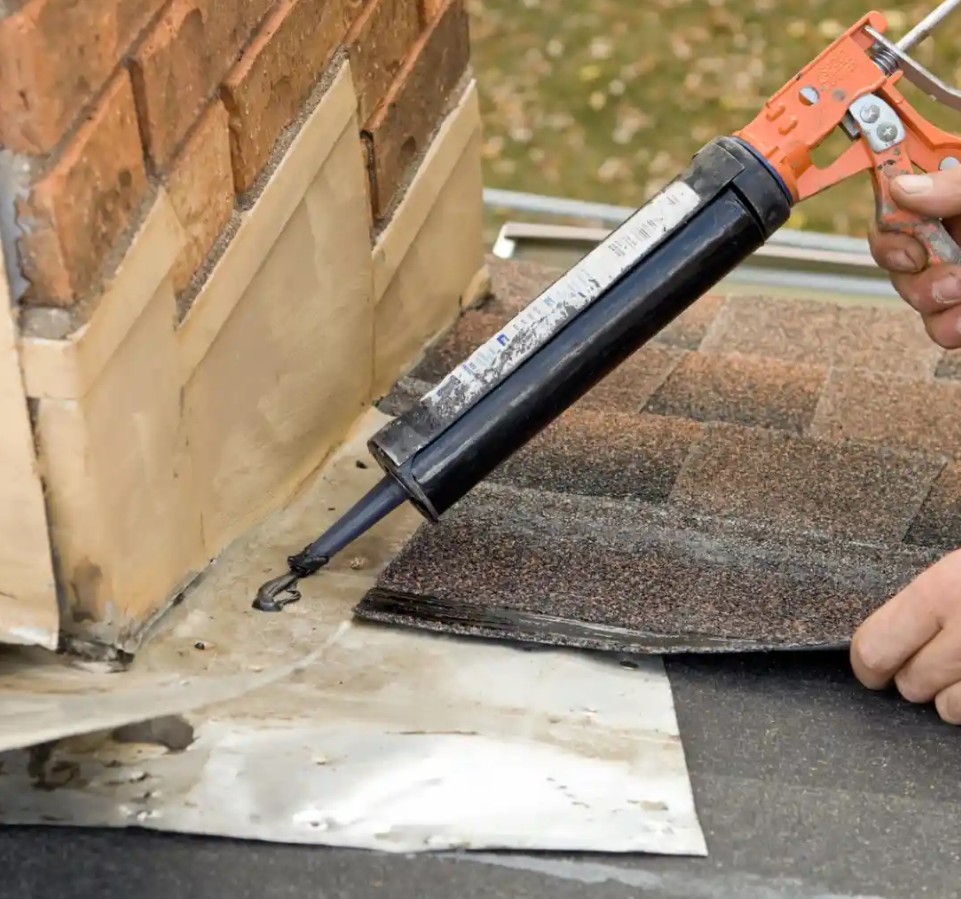
Damaged Flashing: The metal flashing that seals the junction between your chimney and roof is critical for waterproofing. When chimney brick deteriorates or mortar fails, the flashing seal is compromised. Water can then run down behind the flashing, especially when heat from your fire causes snow and ice to melt around the chimney.
Porous Masonry: When brick and mortar become porous due to freeze-thaw damage, they absorb water like a sponge. Your fire heats this moisture-saturated masonry, creating condensation and visible water entry.
3. White Staining (Efflorescence) on Brick
White, powdery deposits on your chimney brick indicate that water has been entering your masonry, dissolving salts, and carrying them to the surface. When water evaporates, these salts are left behind as white staining.
This seems cosmetic but actually indicates serious water intrusion. If you're seeing efflorescence, water has been repeatedly entering and exiting your chimney masonry—exactly the condition that causes freeze-thaw damage.
4. Crumbling or Loose Mortar
If you notice mortar between chimney bricks that's crumbling, missing, or loose, this is advanced deterioration. Mortar joints are designed to be slightly softer than brick, so they preferentially absorb freeze-thaw stresses. Over time, they deteriorate first.
The problem is that once mortar fails, water can penetrate deep into your chimney structure. Individual bricks may become loose. The entire chimney becomes progressively less stable. This is when tuckpointing becomes essential.
5. Spalling Brick
Spalling is when brick surfaces flake, peel, or pop off. This happens when water enters porous brick, freezes, and exerts enough pressure to literally tear the brick surface apart.
Spalling is particularly common on south- and west-facing chimney surfaces in Minnesota, which receive maximum sun exposure (causing rapid temperature swings) and are exposed to prevailing weather.
6. Damaged or Missing Chimney Cap
The chimney cap is the metal cover that sits atop your chimney crown. It serves multiple purposes:
- Keeps rain and snow out of your flue
- Prevents animal entry
- Stops downdrafts
- Provides spark arrestor function
Minnesota winters are hard on chimney caps. Ice buildup, high winds, and temperature extremes can damage or dislodge caps. If your cap is damaged or missing, you'll often discover this when you light your first fire and experience draft problems, smoke backup, or when you realize rain and snow have been entering your chimney all season.
Why the First Fire Reveals These Problems
You might wonder: If these problems developed over spring, summer, and fall, why do they only reveal themselves when you light your first winter fire?
Several reasons:
Heat Creates Pressure Differentials: Fire heats air inside your chimney, creating updraft (draft). Any obstructions, structural issues, or airflow problems that don't matter when the chimney is cold become obvious when there's pressure pushing smoke through the system.
Moisture Becomes Visible: Water that's been absorbed into your chimney masonry remains invisible—until heat from your fire turns it into visible condensation or steam. That's when homeowners see dripping water or moisture staining.
You're Actually Looking: Let's be honest—most homeowners never look closely at their chimney. You light your first fire of the season, and for the first time in months, you're actively engaging with your fireplace and chimney system. Issues that have existed all year suddenly become noticeable.
Problems Have Reached Critical Mass: Chimney deterioration is progressive. Issues that were minor in spring may have crossed the threshold to "affects function" by late fall after months of additional freeze-thaw cycles.
Christian Brothers' Comprehensive Chimney Repair Approach
When you call Christian Brothers Construction about chimney problems, we don't just address the symptom—we identify and fix the underlying cause.
Comprehensive Chimney Inspection
Our inspection process includes:
Exterior Assessment: We examine your chimney crown, chimney cap, brick condition, mortar joints, flashing, and overall chimney structure. We're looking for cracks, spalling, efflorescence, loose or missing materials, and any signs of water intrusion.
Interior Assessment (when possible): We inspect your firebox, damper, flue opening, and as much of the interior structure as accessible. We're checking for obstructions, deterioration, proper liner condition, and any signs of water entry from above.
Roof Junction Assessment: We carefully examine the flashing where your chimney meets your roof. This is a common failure point, especially when chimney masonry has shifted or deteriorated.
Structural Assessment: We check that your chimney is straight, properly supported, and not showing signs of tilting, settling, or separation from your home structure.
Documentation: We photograph all issues and provide clear explanations of what we find, why it matters, and what should be done about it.
Chimney Crown Repair and Replacement
The chimney crown is arguably your chimney's most critical component. When it fails, everything else deteriorates rapidly.
For minor cracks, we can sometimes use specialized crown repair materials. For more extensive damage, complete crown replacement is the right solution.
Christian Brothers builds chimney crowns that are designed for Minnesota's climate:
- Fortified concrete mix designed to resist freeze-thaw cycles
- Proper reinforcement with rebar
- Correctly designed drip edge to shed water away from chimney structure
- Appropriate slope to prevent water pooling
- Sealed to prevent moisture intrusion
As stated in our chimney repair service description: "We build our concrete caps extra strong—with a fortified concrete mix, rebar, and a proper drip edge."
Tuckpointing and Mortar Repair
When mortar joints have deteriorated, tuckpointing restores both function and appearance:
- We carefully grind out damaged mortar to proper depth
- We use mortar formulated to match your existing chimney in color and texture
- We ensure new mortar has appropriate strength (not too hard, which can damage brick)
- We properly cure new mortar to maximize durability
- We seal surfaces when appropriate to resist future water intrusion
As Anthony Lebens explains: "Chimney repair and chimney brick restoration using tuckpointing and other grout fixing methods is incredibly important in the Minnesota climate. Because the Minnesota freeze and thaw cycle is so aggressive, and we have so much moisture, any damage to the concrete, brick, or grout on your chimney crown or chimney brick means that water can leak in and cause damage very quickly."
Brick Repair and Replacement
When individual bricks have deteriorated through spalling or other freeze-thaw damage, they need replacement:
- We source bricks that match your existing chimney
- We properly remove damaged bricks without affecting surrounding structure
- We install replacement bricks with proper mortar and technique
- We ensure weather resistance and structural integrity
For more extensive brick damage, partial chimney rebuilding may be necessary—rebuilding the damaged section while preserving as much original structure as possible.
Chimney Flashing Repair
Proper flashing is essential for preventing water intrusion where your chimney meets your roof:
- We install step flashing that integrates with both roofing and masonry
- We use counter-flashing that's properly embedded in mortar joints
- We ensure all joints are properly sealed
- We verify that flashing directs water away from the chimney-roof junction
One major problem that develops is water leaking behind flashing when chimney brick deteriorates: "When the grout requires tuckpointing, or the overall chimney brick is starting to come apart, water can trickle down those cracks and start getting in between the flashing, particularly if the home is older and isn't up to the higher standards that we have today."
Chimney Cap Installation
Quality chimney caps are essential in Minnesota. We install caps that:
- Provide complete rain and snow exclusion
- Include spark arrestor mesh
- Resist ice buildup and wind damage
- Attach securely to withstand Minnesota weather
- Maintain proper ventilation and draft
The Real Cost of Neglecting Chimney Repairs
Many homeowners put off chimney repairs because they seem expensive or non-urgent. But in Minnesota's climate, delaying chimney repair always makes problems worse and more expensive.
How Chimney Damage Progresses:
Year 1: Small cracks develop in chimney crown or mortar joints. Water begins entering.
Year 2-3: Freeze-thaw cycles expand those cracks. Water penetrates deeper into chimney structure. Brick begins showing early spalling. Efflorescence appears.
Year 4-5: Crown cracks are now significant. Mortar is deteriorating in multiple locations. Bricks are spalling. Water is freely entering chimney structure. Flashing seals begin failing.
Year 6-8: Crown may have missing chunks. Mortar joints are failing extensively. Multiple bricks need replacement. Water intrusion is causing interior damage (ceiling staining, wall damage). Structural integrity may be compromised.
Year 9+: Chimney may require extensive rebuilding or even replacement. Cost has increased from hundreds or low thousands to potentially $10,000+.
As our chimney repair page explains: "How much does it cost to repair the brick that is deteriorating around your chimney? We usually tell folks that we need to use a rough estimate, between $2,000 and $10,000, depending on exactly how much work is involved and how damaged the chimney brick is."
Secondary Damage from Chimney Leaks
It's not just the chimney itself—water intrusion through damaged chimneys causes:
- Ceiling damage and staining
- Wall damage and deterioration
- Insulation damage (reducing energy efficiency)
- Mold and mildew growth
- Damage to finished attic spaces
- Compromised structural lumber
Preventive Chimney Maintenance for Minnesota Homeowners
The best approach is preventing chimney damage before it starts—or catching it early when repairs are simple and affordable.
Annual Chimney Inspection
Have your chimney professionally inspected annually, ideally in late summer before fireplace season begins. This inspection should include:
- Chimney crown and cap condition
- Brick and mortar assessment
- Flashing examination
- Interior inspection when possible
- Water intrusion assessment
Immediate Repairs for Small Issues
Don't wait on small problems:
- Seal small crown cracks promptly
- Replace damaged chimney caps immediately
- Address minor tuckpointing needs before they become major
- Repair flashing as soon as issues are identified
Water Intrusion Monitoring
Watch for signs of water intrusion:
- Staining on ceilings near chimney
- Musty odors in attic or upper floors near chimney
- Efflorescence on exterior chimney brick
- Water in firebox after rain or snow
- Ice buildup on chimney surfaces
Proper Chimney Cap Maintenance
Ensure your chimney cap remains secure and functional:
- Check cap security before winter
- Remove any ice buildup carefully
- Replace caps that show significant corrosion or damage
- Ensure cap mesh is intact (prevents animal entry)
Professional Tuckpointing When Needed
Don't let deteriorating mortar progress to brick damage. When tuckpointing is recommended, do it promptly.
Why Minnesota Chimneys Require Specialized Expertise
Not all chimney repair contractors understand Minnesota's unique challenges. Christian Brothers Construction has over 15 years of experience specifically with Twin Cities chimneys and the freeze-thaw conditions that affect them.
Anthony Lebens spent decades specializing in masonry and chimney work for Minnesota homes before partnering with Mike Ricke to form Christian Brothers. This experience means we understand:
- Which materials hold up best in Minnesota's freeze-thaw cycles
- Proper repair techniques that prevent rapid re-deterioration
- How to assess whether repairs will be effective or whether rebuilding is the more cost-effective long-term solution
- The relationship between chimney condition and overall home water management
As our core values emphasize: "We take a comprehensive look at each problem, with a keen eye on water management. Minnesota chimney and foundation repairs require more than concrete or masonry—it requires respect for what water does in our freeze-thaw climate."
When You Should Call Christian Brothers About Your Chimney
Don't wait for a chimney emergency. Call us if you notice:
Immediate Concerns:
- Smoke backing up into your home
- Water actively leaking into your firebox or home
- Visible tilting or separation of chimney structure
- Large sections of missing or loose brick
- Major chimney crown damage
Schedule Inspection Soon:
- Small cracks in chimney crown or mortar
- Beginning signs of brick spalling
- Efflorescence on chimney brick
- Damaged or missing chimney cap
- Previous chimney repairs that may not have been done correctly
Preventive Assessment:
- Your chimney is 15+ years old and hasn't been professionally inspected
- You've recently purchased a home and want baseline chimney assessment
- You're planning to sell and want to address any issues proactively
- Annual inspection before fireplace season
Christian Brothers' Commitment to Quality Chimney Repair
When you choose Christian Brothers for chimney repair, you're choosing a company that:
Focuses on Long-Term Solutions: We deliver quality craftsmanship, focusing on addressing the core cause of a problem, never using cheap band-aids. Many chimney companies take shortcuts or only "take orders" rather than provide expert solutions.
Provides Honest Assessments: We'll tell you what needs to be done now versus what can wait. We'll explain why we're recommending specific solutions. And we'll be upfront about costs and timelines.
Understands the Stress: We know that chimney repair are stressful situations, and we want to make this as easy as possible.
Backs Our Work: We want our work, and your home, to last a long time. We use quality materials, proper techniques, and we stand behind our repairs.
Sees the Bigger Picture: Mike and Anthony understand that chimney problems often connect to broader water management issues. If your chimney damage is related to poor roof drainage or other home water issues, we'll identify those connections and help you solve the complete problem.
Get Your Chimney Ready for Safe Winter Fires
Don't let chimney problems ruin your winter fireplace enjoyment—or worse, create safety hazards or expensive water damage. Whether you've discovered issues when lighting your first fire or you're being proactive about chimney maintenance, Christian Brothers Construction can help.
Call us at (952) 898-3559 to schedule a comprehensive chimney inspection and receive an honest assessment of what your chimney needs. We serve the entire Twin Cities metro area including Minneapolis, St. Paul, Burnsville, Bloomington, Prior Lake, Apple Valley, Lakeville, Eagan, Farmington, Edina, and surrounding communities.
For centuries, fireplaces have served as gathering places within the home—that's especially true for the colder months in a state like Minnesota. Make sure yours is safe, functional, and ready to provide warmth and comfort throughout the winter season.
Contact Christian Brothers Construction today: (952) 898-3559


