
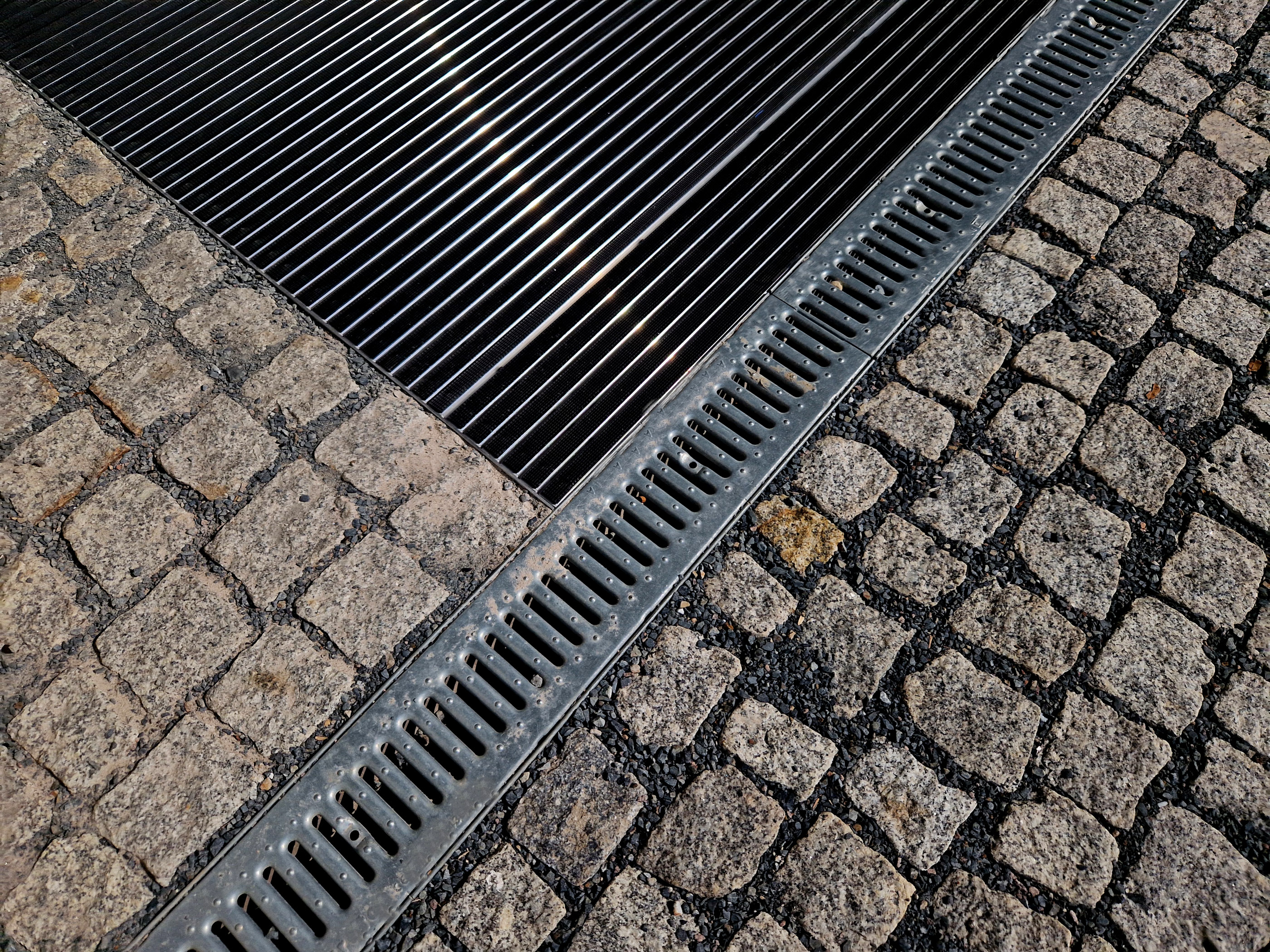
What Is Drain Tile and Do I Need It? A Minnesota Homeowner's Guide
TLDR: Drain tile is a perforated pipe system installed around your foundation — either inside the basement floor or outside in the soil — that collects groundwater and channels it away from your home via a sump pump. In Minnesota, where clay soil retains water, frost goes 42 inches deep, and spring snowmelt saturates the ground for weeks, drain tile is one of the most important tools for keeping basements dry. Many homes need it. Some don't yet. Here's how to tell the difference.
What Drain Tile Actually Is
Despite the name, drain tile is rarely tile anymore. The term comes from clay tile pipes used in agricultural drainage in the 1800s — short sections of hollow clay laid end-to-end in ditches to drain fields. The principle was adapted for residential foundation drainage, and the name stuck even after clay tile gave way to corrugated plastic and perforated PVC.
Today, a drain tile system installed around a residential foundation consists of:
- A perforated pipe (plastic, typically 3 to 4 inches in diameter)
- A bed of coarse aggregate (washed gravel), typically at least 12 inches surrounding the pipe
- A mesh sock or filter fabric over the pipe to prevent silt entry
- A constant downward slope directing water toward a collection point
- A sump pit where the collected water pools
- A sump pump that ejects the water through a discharge pipe and away from the home
UMN Extension's guide on basement moisture — the most authoritative Minnesota-specific resource on this topic — recommends that all drain tile systems discharge to a sealed sump pit with a childproof cover, and that the pit be airtight to prevent soil gas entry. The extension also recommends installing systems even in sandy or gravelly soils where water tables may still be a seasonal concern.
Interior Drain Tile vs. Exterior Drain Tile — What's the Difference?
Interior drain tile
Installed inside the basement, below the concrete floor. To install, a contractor jackhammers a trench around the perimeter of the basement slab, typically six to twelve inches wide and deep enough to reach below the footing level. Pipe goes in the trench with gravel, and the concrete is replaced.
The system intercepts water that has already entered the wall or is entering at the cove joint (the seam between wall and floor) and captures it before it can spread across the floor. It manages water rather than blocking it.
Advantages: Less expensive than exterior (typically $3,000–$6,000 vs. $8,000–$15,000+), no landscaping disruption, effective for managing hydrostatic pressure that's already reaching the wall, can be installed in any season, completed in one to two days.
Limitations: Does not stop water from contacting the exterior of the wall. Does not address the source of the pressure. For walls that are deteriorating due to ongoing water contact, managing water internally may not be sufficient.
Exterior drain tile
Installed outside the foundation at footing level. Requires excavating down to the footings — typically six to eight feet of depth — around the perimeter being treated. A waterproofing membrane is applied to the exterior wall face, drainage board is placed, and drain tile is installed in gravel at the footing. The excavation is then backfilled.
Advantages: Intercepts water before it ever contacts the foundation wall. Can be combined with exterior waterproofing membrane installation. True prevention rather than management.
Limitations: Significantly more expensive ($8,000–$35,000 depending on scope), requires heavy equipment and disrupts landscaping extensively, exterior drain tile can clog with silt and roots over time if not properly wrapped and maintained, project typically takes three to seven days.
The practical choice for most existing homes: Interior drain tile. The cost difference is substantial, the disruption is minimal, and the system is effective for managing the hydrostatic pressure that causes most Twin Cities basement flooding. Exterior installation is most cost-effective when done during new construction, before backfilling.
How Drain Tile Differs from Waterproof Paint and Crack Sealing
This is a critical distinction that saves homeowners significant money and frustration.
Waterproof paint (masonry sealers, DryLock, hydraulic cement) works against the interior surface of a basement wall. It provides a thin barrier between the concrete and the room air. It works against condensation and very minor surface moisture. It does not work against hydrostatic pressure.
The math: water-saturated clay soil 5 feet deep exerts over 100 pounds per square foot of pressure against your wall. A coat of masonry paint resists pressure measured in ounces. Water wins. When it does, it pushes the paint off the wall from behind, sometimes taking chunks of concrete with it.
Crack sealing addresses individual cracks in the wall surface. It works for isolated, stable shrinkage cracks. It does not address water entering at the cove joint, seeping through block wall porosity, or coming up through floor cracks under pressure.
Drain tile doesn't compete with these products — it operates at a completely different level. Where paint and sealant try to stop water at the wall surface, drain tile relieves the pressure behind the wall entirely by giving the water somewhere else to go.
Why Minnesota Homes Need Drain Tile More Than Most
Seven specific factors make drain tile a standard need in the Twin Cities south metro, not an optional upgrade:
1. Clay soil with 24–45% clay content. Clay holds water rather than draining it. The Kilkenny and Lester soils dominating Dakota County's USDA soil surveys are certified high-shrink/swell, poor-drainage soils per USDA data. The capillary rise in clay soil can reach 12 to 20 feet — well above basement floor depth.
2. Seasonal water table rise. In the Kilkenny soils common here, the seasonal high water table rises to 2.5 to 4.0 feet below the surface during April, May, and June — closing the gap to your basement floor to as little as two to four feet of saturated soil.
3. Spring snowmelt volume. The Twin Cities averages 51.2 inches of annual snowfall per MN DNR climate data. That snow melts in late March and April while the ground is still partially frozen, concentrating massive water volumes against foundations. The USGS documents that April sees the highest groundwater recharge in Minnesota.
4. 42-inch frost depth. Minnesota code requires footings at 42 inches in the Twin Cities area per MN Rules 1303.1600. That means substantial foundation surface area is in constant contact with soil that cycles between wet and frozen.
5. Freeze-thaw progression. Approximately 86 freeze-thaw cycles per year near the surface per MnDOT research. Each cycle can widen existing cracks and create new water entry points.
6. Housing age. A large portion of south metro housing was built before modern drain tile standards. Many homes have original clay tile or corrugated plastic that has collapsed or clogged after 40 to 60 years of use.
7. Code requirement in new construction. The Minnesota Residential Code (adopting IRC R405) requires drain tile in new residential construction. The code exists because conditions in Minnesota make it necessary — not because it's a nice-to-have.
Does Your Home Need Drain Tile?
Drain tile is likely needed when:
- Water enters at the cove joint during or after rain or snowmelt
- The basement floods or has significant water entry most springs
- You have a concrete block foundation with seepage through the walls
- Your original drain tile is 30+ years old and performance has declined
- A sump pump that used to run occasionally now runs constantly
- You have standing water in the yard that persists near the foundation
Drain tile may not be necessary yet when:
- Moisture is condensation only (test with plastic sheeting taped to the wall)
- You have one stable, non-leaking vertical crack in a poured concrete wall
- Your basement has never had water entry and your drainage and grading are functioning
- All moisture issues resolve completely after correcting gutters and grade
4th Wall
Christian Brothers Construction installs interior and exterior drain tile systems for homes throughout the Twin Cities south metro. We're based in Burnsville and serve Eagan, Apple Valley, Lakeville, Bloomington, and surrounding communities. If you're not sure whether your home needs drain tile or just better exterior drainage, we'll give you a straight answer. Reach us at (952) 898-3559 or visit cbctwincities.com/more/drain-tile.
End of Article Package — Christian Brothers Construction
All external URLs verified live as of April 2026


