
How Much Does Basement Waterproofing Cost in Minnesota?
TLDR: Basement waterproofing in Minnesota ranges from a few hundred dollars for a single crack injection to $15,000 or more for a full exterior excavation and membrane system. The most common project for an existing home — interior drain tile with a sump pump — typically runs $4,000 to $8,000 for an average basement. The right solution depends entirely on what's causing the water.
Why Waterproofing Costs Vary So Much
The term "basement waterproofing" covers everything from a $400 crack injection to a $30,000 full exterior excavation. A homeowner who gets five quotes and receives bids ranging from $1,500 to $18,000 isn't experiencing contractor dishonesty — they may be receiving proposals for genuinely different approaches to the same problem.
The first step to understanding cost is understanding that different waterproofing methods address different moisture mechanisms. As the Building Science Corporation explains in BSD-103, Understanding Basements, basement moisture has multiple sources and multiple movement pathways. The right method addresses the actual mechanism driving the water — not just the entry point.
Cost by Waterproofing Method
Interior drain tile system: $3,000–$8,000 (most common)
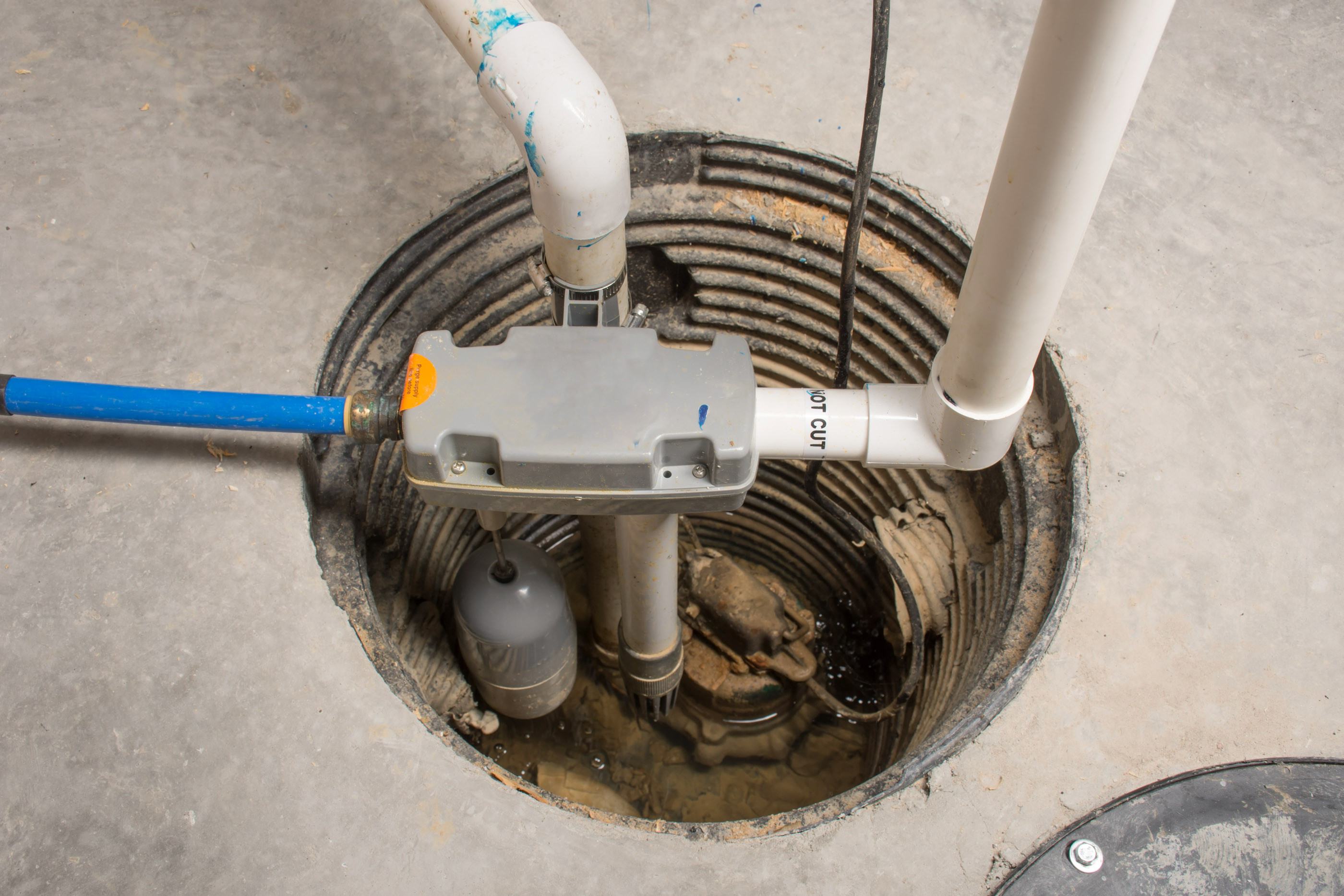
Interior drain tile is installed under the basement floor around the perimeter. A trench is cut, perforated pipe is placed in gravel, and the concrete is replaced. Water intercepted by the pipe drains to a sump pit and pump. For the average Twin Cities basement, installation takes one to two days and typically costs $4,000 to $6,000, including the sump pump. Homes with larger or more complex basements reach $8,000 to $10,000.
According to data from This Old House and HomeAdvisor, the national average for interior waterproofing projects is $5,000 to $5,200. Minnesota pricing runs close to this average. Interior drain tile is the most frequently recommended solution for existing homes in the Twin Cities because it's significantly less disruptive and less expensive than exterior methods while effectively managing hydrostatic pressure — the primary driver of basement water in Dakota County clay soils.
Exterior waterproofing (excavation + membrane): $8,000–$35,000
Exterior waterproofing requires excavating the soil around the foundation down to the footing level, applying a waterproofing membrane to the foundation wall exterior, installing drainage board, placing drain tile at the footing, and backfilling. Per Angi's waterproofing cost data, exterior projects typically run $15,000 to $25,000 for a full perimeter treatment.
The high cost reflects the excavation labor and equipment, the disruption to landscaping, and the length of the project (typically three to seven days). Exterior waterproofing is the gold standard for new construction because it's done before backfilling. For existing homes, the cost-benefit usually favors interior drain tile unless there are specific reasons exterior work is required — such as a foundation wall that needs membrane protection due to severe cracking or deterioration.
Crack injection (epoxy or polyurethane): $250–$800 per crack
For isolated cracks in poured concrete walls that are stable and not indicating structural problems, injection is an effective and economical fix. Epoxy injection creates a rigid bond stronger than the surrounding concrete. Polyurethane foam expands to fill voids and remains slightly flexible. Per HomeGuide's foundation crack repair data, most crack injection projects run $400 to $800 for a single crack. Multiple cracks add cost proportionally.
Injection is appropriate for vertical shrinkage cracks and stable diagonal cracks. It is not appropriate for horizontal cracks (which indicate active structural pressure) or for walls that are actively bowing.
Sump pump installation: $500–$3,000
A sump pump is the active component of any interior waterproofing system. According to Angi's sump pump cost guide, installation of a new sump pump and pit runs $1,100 to $1,400 for a standard residential installation. Replacement of an existing pump runs $600 to $900. The variation reflects whether a new pit needs to be excavated, the pump model specified, and whether a battery backup is included.
A battery backup is worth including. The highest-risk time for basement flooding is during a major spring storm — which is also when power outages are most likely. A backup unit ensures the pump keeps running when you need it most. Battery backup systems add $200 to $1,000 depending on capacity.
Per Bob Vila's research on sump pump lifespans, the average sump pump lasts 7 to 10 years. In Minnesota homes where the pump runs heavily during spring, replacement closer to the 5- to 7-year mark is common. Budget for it in advance.
Waterproof paint / masonry sealant: $500–$2,000
This is the lowest-cost option and the least effective for ongoing water entry. Masonry sealants applied to basement walls work against condensation and very minor surface moisture. They do not resist hydrostatic pressure. A wall being pushed by saturated clay soil exerting 100+ pounds per square foot will eventually overcome a sealant coat. Most waterproofing professionals and building scientists do not recommend sealants as a primary solution for active basement leaks.
What Drives Cost in Minnesota Specifically
Soil conditions. Dakota County clay soils create more hydrostatic pressure than sandy or gravelly soils. That may increase the drainage capacity needed and add to system cost.
Basement size and perimeter length. Interior drain tile is priced per linear foot ($40 to $85/foot installed). A 24x26 foot basement has roughly 100 linear feet of perimeter — a 32x36 foot basement has 136. The difference matters.
Number of entry points. A basement with one crack leaking at one spot is a different project than a basement with water coming through the cove joint on three walls, seepage through block walls, and a sump pit that can't keep up.
Whether structural repair is also needed. Water often enters through cracks caused by structural movement. If the wall needs anchoring or piering in addition to waterproofing, costs increase. A comprehensive quote that addresses both is usually more cost-effective than two separate projects.
Access. Finished basements where demo and reconstruction of drywall and flooring is required add cost beyond the waterproofing work itself.
Industry Certification to Look For
The Basement Health Association (formerly NAWSRC) is the national trade association for basement waterproofing and structural repair contractors. Their Certified Waterproofing Specialist (CWS) credential indicates a contractor who has met educational and professional standards specific to this work.
4th Wall
Christian Brothers Construction provides interior drain tile, sump pump installation, crack injection, and exterior waterproofing for Twin Cities homeowners. We're based in Burnsville and serve the south metro including Eagan, Apple Valley, Lakeville, and Bloomington. If you want to understand what your basement actually needs before committing to a solution, call us at (952) 898-3559.


