
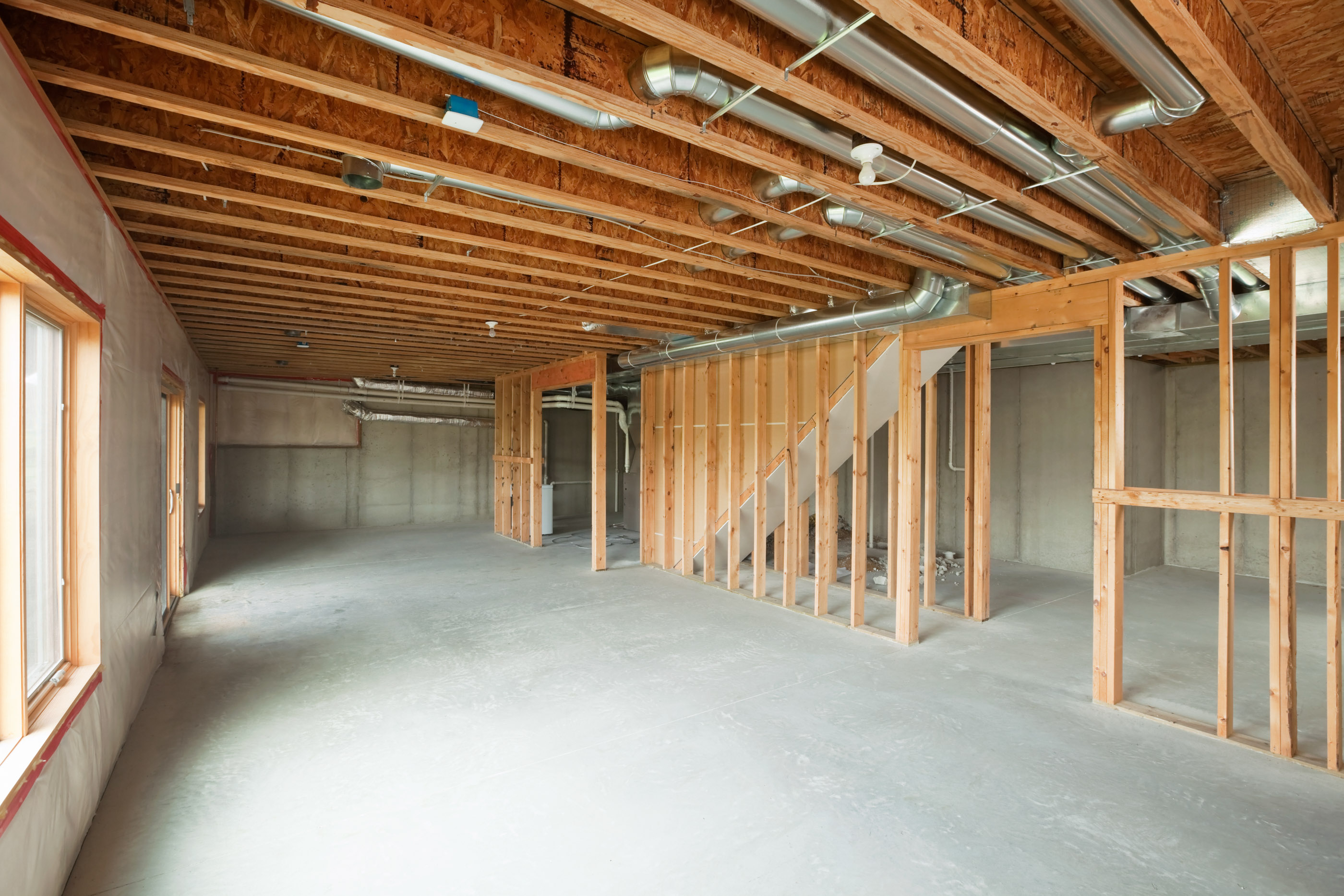
Basement Waterproofing in Lakeville, MN — Drain Tile, Sump Pumps, and Water Management
Every spring, Lakeville homeowners go through the same sequence: the snow starts melting, the rain picks up, and the worry begins. Will the basement be dry this year? Is that sump pump going to keep up?
For most, the concern is not unfounded. Lakeville's soil, its position within the Vermillion River Watershed, and the sheer volume of water that moves through this area in late March and April create real pressure on residential foundations. The homes that stay dry usually aren't just lucky — they have systems in place managing the water that's working to get in.
Here's how those systems work and how to know if your home needs them.
The Water Problem Specific to Lakeville
According to the City of Lakeville's environmental resources, approximately 79% of Lakeville falls within the Vermillion River Watershed. The city operates as a regulated stormwater authority with specific requirements for managing water runoff from all development. The stormwater ponds and infiltration basins you see throughout Lakeville neighborhoods aren't just aesthetics — they're actively managing the volume of water that would otherwise have nowhere to go.
But stormwater infrastructure manages surface water. What happens belowground — specifically to the water table under your home — is a different matter.
The USGS has documented that April sees the highest groundwater recharge rates in Minnesota, driven directly by spring snowmelt. The Twin Cities area receives 51.2 inches of annual snowfall, and when that melts in late March and April while the ground is still partially frozen, the water has limited ability to absorb into the soil. Much of it moves laterally toward lower elevations — including the soil around your foundation.
The clay soils common throughout Dakota County hold that water rather than letting it drain. The seasonal water table in these soils rises to between 2.5 and 4.0 feet below the surface during peak spring months, per USDA soil data. Your basement floor is typically 6 to 8 feet below grade, meaning the gap between the seasonal high water table and your floor can be as little as two to four feet of saturated clay. That clay is under pressure. And it's looking for somewhere for that pressure to go.
How an Interior Drain Tile System Works
Interior drain tile is the most common solution for existing homes with recurring basement water problems. Understanding exactly what it does — and doesn't do — helps you evaluate whether it's right for your situation.
The system starts with a trench cut around the interior perimeter of your basement floor, typically six to twelve inches wide. Perforated pipe is placed in that trench on a bed of washed gravel. The gravel allows water to flow freely into the pipe from below and from the sides. The concrete slab is then replaced over the top.
That pipe runs at a constant slope toward a sump pit, usually located in a corner of the basement. The sump pit collects the water and a submersible pump ejects it through a discharge pipe that runs out through the foundation wall or up through a rim joist, directing water away from the home.
The system doesn't stop water from entering the wall. What it does is intercept that water at the cove joint — the wall-floor seam where most basement water enters — before it can spread across the basement floor. The water enters the system, travels to the sump, and gets pumped out. Done correctly, the result is a dry basement floor even during high-pressure spring conditions.
UMN Extension notes that drain tile should be installed with a minimum 12 inches of coarse aggregate surrounding the pipe and should always drain to a sealed sump pit with a childproof cover.
The Sump Pump — What You're Relying On
Your sump pump is the active component of a drain tile system. Everything else is passive — it just channels water. The pump is what actually removes it.
Most sump pumps have a lifespan of 7 to 10 years, according to Bob Vila and Family Handyman. Pumps in Lakeville homes that run heavily during spring may wear out closer to the five-to-seven-year mark. A pump that cycles frequently — or one that's running almost continuously during a heavy rain event — is working hard, and hard work shortens lifespan.
The most vulnerable time for pump failure is during a severe spring storm, which is exactly when you need it most. A power outage during peak runoff with no battery backup means water enters the pit faster than it can drain, and the pit overflows.
Three components of a well-designed sump system for a Lakeville home:
The primary pump. Submersible, properly sized for your pit volume and the water volume your system handles. A pump that's undersized for your conditions will run constantly and fail early.
A battery backup unit. Activates automatically when power is lost. Should be tested annually and batteries replaced every three to five years.
A water alarm. Alerts you when water in the pit rises above a safe level — either because the pump has failed or because volume is exceeding capacity. Inexpensive and worth having.
When Drain Tile Is the Right Solution — And When It Isn't
Interior drain tile makes sense when water is entering at the cove joint from hydrostatic pressure, when you have multiple entry points around the perimeter, or when you have a concrete block foundation with widespread seepage. It also makes sense when the seasonal water table rise in your area routinely brings water close to your floor elevation.
Drain tile is not the right solution for a single isolated crack in a poured concrete wall that has been stable for years. An epoxy or polyurethane crack injection is a simpler fix for that.
It also isn't a substitute for exterior drainage improvements. If your gutters aren't functioning, your downspouts are discharging two feet from the house, and your grade slopes toward the foundation, fixing those issues first will reduce the load on any interior system you install — and may solve less severe problems without a drain tile system at all.
The FEMA Flood Map Service Center offers flood zone lookup by address if you're evaluating your property's overall flood risk picture. The MN DNR's flood map access page provides access to Dakota County's Digital Flood Insurance Rate Maps.
For questions about what your Lakeville basement needs, Christian Brothers Construction is available at (952) 898-3559. We assess the full drainage picture before recommending any system.


